SEBA দশম শ্ৰেণীৰ সাধাৰণ বিজ্ঞান প্ৰশ্নকাকত ২০২৩ (উত্তৰসহ)
SEBA Class 10 General Science Question Paper 2023 (with Answers)
সম্পূৰ্ণ নম্বৰ (Full Marks): 90
উত্তীৰ্ণ নম্বৰ (Pass Marks): 27
সময় (Time): ৩ ঘণ্টা (3 hours)
SEBA Class 10 General Science Question Paper 2023
ক-শাখা (SECTION-A)
১। শুদ্ধ উত্তৰটো বাছি উলিওৱা:
1. Choose the correct answer: (1 × 10 = 10)
(i) তলৰ কোনটো ধাতু কল্পৰ উদাহৰণ নহয়?
(i) Which of the following is not an example of a metalloid?
(a) Si
(b) Ge
(c) B
(d) Al
উত্তৰ / Answer: (d) Al (এলুমিনিয়াম / Aluminium)
(ii) তলৰ কোনটো যৌগক ছ’ডা এছিড অগ্নি নিৰ্বাপন যন্ত্ৰত ব্যৱহাৰ কৰা হয়?
(ii) Which of the following compounds is used in a soda-acid fire extinguisher?
(a) NaCl
(b) Na₂CO₃
(c) NaHCO₃
(d) NH₄Cl
উত্তৰ / Answer: (c) NaHCO₃ (ছ’ডিয়াম হাইড্ৰ’জেন কাৰ্বনেট / Sodium Bicarbonate)
(iii) বনস্পতিজাত দ্ৰব্যৰ পচন সাৰলৈ পৰিবৰ্তন হোৱাটো তলৰ কোনটো শ্ৰেণীৰ বিক্ৰিয়াৰ উদাহৰণ?
(iii) The decomposition of vegetable matter into compost is an example of which type of reaction?
(a) তাপগ্ৰাহী বিক্ৰিয়া (Endothermic reaction)
(b) তাপবৰ্জী বিক্ৰিয়া (Exothermic reaction)
(c) দুয়োটা (Both)
(d) ওপৰৰ এটাও নহয় (None of the above)
উত্তৰ / Answer: (b) তাপবৰ্জী বিক্ৰিয়া (Exothermic reaction)
(iv) চ’লেনইডৰ কুণ্ডলীত বৈদ্যুতিক প্ৰবাহ প্ৰৱাহীত হ’লে, চৌম্বক ক্ষেত্ৰ –
(iv) When electric current flows through a solenoid, the magnetic field –
(a) প্ৰৱাহীত প্ৰৱাহৰ দিশত বাঢ়িব (increases along the direction of current)
(b) প্ৰৱাহীত প্ৰৱাহৰ দিশত কমিব (decreases along the direction of current)
(c) সকলো সময়ত একেই থাকিব (remains the same at all times)
(d) শূন্য হব (becomes zero)
উত্তৰ / Answer: (a) প্ৰৱাহীত প্ৰৱাহৰ দিশত বাঢ়িব (increases along the direction of current)
(v) তলৰ কোনটোৱে বৰ্তনীৰ বিভৱ ভেদ নিৰ্ণয় কৰাত ব্যৱহৃত হয়?
(v) Which of the following is used to measure the potential difference in a circuit?
(a) এমিটাৰ (Ammeter)
(b) ভল্টমিটাৰ (Voltmeter)
(c) গেলভেন’মিটাৰ (Galvanometer)
(d) মাল্টিমিটাৰ (Multimeter)
উত্তৰ / Answer: (b) ভল্টমিটাৰ (Voltmeter)
(vi) তলত উল্লেখিত কোনটো পৰম্পৰাগত শক্তিৰ উৎস?
(vi) Which of the following is a conventional source of energy?
(a) বায়ু শক্তি (Wind energy)
(b) নিউক্লীয় শক্তি (Nuclear energy)
(c) ভূ-তাপীয় শক্তি (Geo-thermal energy)
(d) তৰংগ শক্তি (Wave energy)
উত্তৰ / Answer: (c) ভূ-তাপীয় শক্তি (Geo-thermal energy) (যদিও জীৱাশ্ম ইন্ধন (কয়লা, পেট্ৰ’লিয়াম) মুখ্য পৰম্পৰাগত উৎস, দিয়া বিকল্পসমূহৰ ভিতৰত ভূ-তাপীয় শক্তিক কিছু ক্ষেত্ৰত পৰম্পৰাগত হিচাপে ধৰা হয়। / Although fossil fuels (coal, petroleum) are the main conventional sources, among the given options, geothermal energy is sometimes considered conventional.)
(vii) তলত উল্লেখিত কোনে অ’জন স্তৰ অবক্ষয় কৰিব পাৰে?
(vii) Which of the following can cause ozone layer depletion?
(a) ক্ল’ৰ’ফ্ল’ৰ’ কাৰ্বন (Chlorofluorocarbon)
(b) নাইট্ৰ’জেন (Nitrogen)
(c) হাইড্ৰ’জেন (Hydrogen)
(d) অক্সিজেন (Oxygen)
উত্তৰ / Answer: (a) ক্ল’ৰ’ফ্ল’ৰ’ কাৰ্বন (Chlorofluorocarbon)
(viii) তলত উল্লেখ কৰা কোনখিনিয়ে খাদ্য শৃংখল গঠন কৰে?
(viii) Which of the following forms a food chain?
(a) ঘাঁহ, ঘেহুঁ আৰু আম (Grass, wheat and mango)
(b) ঘাঁহ, ছাগলী আৰু মানুহ (Grass, goat and human)
(c) ছাগলী, গৰু আৰু হাতী (Goat, cow and elephant)
(d) ঘাঁহ, মাছ আৰু ছাগলী (Grass, fish and goat)
উত্তৰ / Answer: (b) ঘাঁহ, ছাগলী আৰু মানুহ (Grass, goat and human)
(ix) তলত উল্লেখিত কিহৰ বাবে চকুৰ লেন্সৰ বক্ৰতা পৰিবৰ্তন হয়?
(ix) The curvature of the eye lens changes due to which of the following?
(a) অক্ষিপট (Retina)
(b) চকুৰ পতা (Iris)
(c) চিলিয়াৰী পেশী (Ciliary muscles)
(d) নেত্ৰ স্নায়ু (Optic nerve)
উত্তৰ / Answer: (c) চিলিয়াৰী পেশী (Ciliary muscles)
(x) লেন্স এখনৰ ফ’কাছ দৈৰ্ঘ্য 1 মিটাৰ, ক্ষমতা হ’ব –
(x) The focal length of a lens is 1 meter, its power will be –
(a) 0.5 D
(b) 1 D
(c) 1.5 D
(d) 2 D
উত্তৰ / Answer: (b) 1 D (ক্ষমতা P = 1/f (মিটাৰত) = 1/1 = 1 D / Power P = 1/f (in meters) = 1/1 = 1 D)
২। শুদ্ধ উত্তৰটো বাছি উলিওৱা:
2. Choose the correct answer: (1 × 10 = 10)
(i) অৱতল দাপোণে গঠিত প্ৰতিবিম্ব –
(i) The image formed by a concave mirror is –
(a) সৎ আৰু সংকুচিত (real and diminished)
(b) সৎ আৰু বিবৰ্ধিত (real and enlarged)
(c) অসৎ আৰু বিবৰ্ধিত (virtual and enlarged)
(d) অসৎ আৰু সংকুচিত (virtual and diminished)
উত্তৰ / Answer: এই প্ৰশ্নটো অসম্পূৰ্ণ কাৰণ লক্ষ্যবস্তুৰ অৱস্থান উল্লেখ কৰা নাই। অৱতল দাপোণে লক্ষ্যবস্তুৰ অৱস্থানৰ ওপৰত নিৰ্ভৰ কৰি ওপৰৰ সকলো ধৰণৰ প্ৰতিবিম্ব (d ৰ বাহিৰে) গঠন কৰিব পাৰে। তথাপি, সাধাৰণতে যেতিয়া অসৎ প্ৰতিবিম্ব গঠন কৰে, তেতিয়া ই বিবৰ্ধিত হয়।
সম্ভাব্য উত্তৰ (যদি লক্ষ্যবস্তু মেৰু আৰু ফ’কাছৰ মাজত থাকে): (c) অসৎ আৰু বিবৰ্ধিত (virtual and enlarged)
This question is incomplete as the object’s position is not mentioned. A concave mirror can form all the above types of images (except d) depending on the object’s position. However, when it forms a virtual image, it is generally enlarged.
Possible Answer (if the object is between the pole and focus): (c) virtual and enlarged
(ii) কাঁচৰ প্ৰতিসৰণাংক 1.5 হ’লে, কাঁচত পোহৰৰ দ্ৰুতি হ’ব –
(ii) If the refractive index of glass is 1.5, the speed of light in glass will be –
(a) 2 × 10⁸ m/s
(b) 3 × 10⁵ m/s
(c) 2.25 × 10⁸ m/s
(d) 3 × 10⁸ m/s
উত্তৰ / Answer: (a) 2 × 10⁸ m/s

(iii) গ্লুক’জৰ ভংগন ঘটি পাইৰুভেটলৈ পৰিবৰ্তিত হয় –
(iii) The breakdown of glucose into pyruvate occurs in the –
(a) কোষৰ কোষপ্ৰৰসত (Cell cytoplasm)
(b) মাইট’কণ্ড্ৰিয়াত (Mitochondria)
(c) কোষাৱৰণত (Cell membrane)
(d) গলগি বডিত (Golgi body)
উত্তৰ / Answer: (a) কোষৰ কোষপ্ৰৰসত (Cell cytoplasm)
(iv) বেছিভাগ কোষীয় প্ৰক্ৰিয়াৰ কোষীয় মুদ্ৰা হৈছে –
(iv) The energy currency for most cellular processes is –
(a) ADP
(b) AMP
(c) ATP
(d) CO₂
উত্তৰ / Answer: (c) ATP
(v) দুটা স্নায়ুকোষৰ মাজৰ খালী ঠাইখিনিক বোলা হয় –
(v) The gap between two neurons is called –
(a) ডেণ্ড্ৰাইট (dendrite)
(b) ছাইনেপ্স (synapse)
(c) এক্সন (axon)
(d) স্নায়ুঅন্ত (nerve ending)
উত্তৰ / Answer: (b) ছাইনেপ্স (synapse)
(vi) তলৰ কোনটো এবিধ উদ্ভিদ হৰম’ন?
(vi) Which of the following is a plant hormone?
(a) ইনচুলিন (Insulin)
(b) থাইৰক্সিন (Thyroxin)
(c) ইষ্ট্ৰ’জেন (Oestrogen)
(d) ছাইট’কাইনিন (Cytokinin)
উত্তৰ / Answer: (d) ছাইট’কাইনিন (Cytokinin)
(vii) ভিন্ন অংগ বিশিষ্ট বহু জীৱই সিহঁতৰ দেহৰ কোনো অংগৰ পৰাই নতুন এটা প্ৰজন্মৰ জীৱ উৎপত্তি কৰি ল’ব পৰা প্ৰক্ৰিয়াটোক বোলা হয় –
(vii) The process by which many fully differentiated organisms can give rise to new individual organisms from their body parts is called –
(a) পুনৰ জীৱন (Regeneration)
(b) মুকুলোদ্গম (Budding)
(c) বিভংগন (Fragmentation)
(d) বিভাজন (Fission)
উত্তৰ / Answer: (a) পুনৰ জীৱন (Regeneration)
(viii) দ্বি-বিভাজন প্ৰক্ৰিয়া সংঘটিত হয় –
(viii) Binary fission takes place in –
(a) এমিবাত (Amoeba)
(b) পেৰামেচিয়ামত (Paramoecium)
(c) প্লেনেৰিয়াত (Planaria)
(d) এই আটাইবোৰতে (All of these)
উত্তৰ / Answer: (a) এমিবাত (Amoeba) (পেৰামেচিয়ামত দ্বি-বিভাজন হয়, কিন্তু প্লেনেৰিয়াত সাধাৰণতে পুনৰ জীৱন ঘটে / Binary fission occurs in Paramoecium, but Planaria usually reproduces by regeneration)
(ix) সমসংস্থ অংগৰ এটা উদাহৰণ হৈছে –
(ix) An example of homologous organs is –
(a) চৰাইৰ ডেউকা আৰু বাদুলিৰ ডেউকা (wings of a bird and wings of a bat)
(b) পখিলাৰ পাখি আৰু বাদুলিৰ ডেউকা (wings of a butterfly and wings of a bat)
(c) পাৰৰ পাখি আৰু মানুহৰ হাত (wings of a pigeon and hands of man)
(d) ভাটৌ চৰাইৰ পাখি আৰু মৌমাখিৰ পাখি (wings of a parrot and wings of a bee)
উত্তৰ / Answer: (c) পাৰৰ পাখি আৰু মানুহৰ হাত (wings of a pigeon and hands of man) (উৎপত্তি একে কিন্তু কাৰ্য ভিন্ন / Same origin but different function)
(x) তলৰ কোনযোৰ ক্ৰম’জ’মে মানুহৰ সন্তানৰ ক্ষেত্ৰত পুৰুষ লিংগ নিৰ্ধাৰণ কৰিব?
(x) Which of the following pair of chromosomes will determine the male sex in a human child?
(a) XX
(b) XY
(c) XO
(d) YO
উত্তৰ / Answer: (b) XY
৩। খালী ঠাই পূৰণ কৰা:
3. Fill in the blanks: (1 × 10 = 10)
(i) চাপ সংকুচিত প্ৰাকৃতিক গেছৰ (CNG) প্ৰধান উপাদান হাইড্ৰ’কাৰ্বন বিধ হ’ল মিথেন।
(i) The main hydrocarbon component of Compressed Natural Gas (CNG) is methane.
(ii) 3Fe(s) + 4H₂O(g) → X + 4H₂(g) বিক্ৰিয়াটোৰ বিক্ৰিয়াজাত পদাৰ্থ ‘X’ হ’ল Fe₃O₄ (ফেৰ’ছ’ফেৰিক অক্সাইড)।
(ii) The product ‘X’ in the reaction 3Fe(s) + 4H₂O(g) → X + 4H₂(g) is Fe₃O₄ (Ferrosoferric oxide).
(iii) লোৰ লগত নিকেল আৰু ক্ৰ’মিয়াম মিহলালে আমি এটা সংকৰ ধাতু পাওঁ, যাৰ নাম ষ্টেইনলেছ ষ্টীল।
(iii) When nickel and chromium are mixed with iron, we get an alloy called stainless steel.
(iv) সালোক সংশ্লেষণ হৈছে এটা প্ৰক্ৰিয়া যাৰ দ্বাৰা কিছুমান জীৱই সিহঁতৰ কাৰ্বন আৰু শক্তিৰ চাহিদা পূৰণ কৰে।
(iv) Photosynthesis is a process by which some organisms fulfill their carbon and energy requirements.
(v) পুংকেশৰ আৰু গৰ্ভকেশৰ হ’ল এপাহ ফুলৰ প্ৰজনন অংগ য’ত জনন কোষ বিলাক থাকে।
(v) Stamen and Pistil are the reproductive parts of a flower that contain the germ cells.
(vi) এটা ফীডবেক পদ্ধতিৰ দ্বাৰা হৰম’ন ৰ ক্ৰিয়া নিয়ন্ত্ৰণ হয়।
(vi) The action of hormones is controlled by a feedback mechanism.
(vii) গাড়ীৰ পিছলৈ চোৱাত উত্তল দাপোন ব্যৱহৃত হয়।
(vii) Convex mirrors are used as rear-view mirrors in vehicles.
(viii) বৈদ্যুতিক জেনেৰেটৰত যান্ত্ৰিক শক্তিৰ পৰা বৈদ্যুতিক শক্তিলৈ ৰূপান্তৰ হয়।
(viii) In an electric generator, mechanical energy is converted into electrical energy.
(ix) খাদ্য শৃংখলৰ তৃতীয় স্তৰটো হ’ল দ্বিতীয় শ্ৰেণীৰ উপভোক্তা (মাংসভোজী)।
(ix) The third trophic level of a food chain is the secondary consumer (carnivore).
(x) কম অক্সিজেনৰ উপস্থিতিত পদাৰ্থ দহন কৰিলে কাৰ্বন মনোক্সাইড গেছৰ উৎপন্ন হয়।
(x) The combustion of substances in the presence of low oxygen produces carbon monoxide gas.
৪। অতি চমুকৈ উত্তৰ দিয়া:
4. Answer very briefly: (1 × 10 = 10)
(i) K, Na, Ca আৰু Mg ৰ ভিতৰত কোনটোৰ সক্ৰিয়তা আটাইতকৈ কম?
(i) Which one has the least reactivity among K, Na, Ca, and Mg?
উত্তৰ / Answer: Mg (মেগনেছিয়াম / Magnesium)
(ii) জিপছামক 373 K উষ্ণতাত উত্তপ্ত কৰিলে পানীৰ অণু হেৰুৱাই এবিধ বগা পাউদাৰৰ উৎপন্ন হয়। বগা পাউদাৰ বিধৰ ৰাসায়নিক সংকেত লিখা।
(ii) When gypsum is heated to 373 K, it loses water molecules and forms a white powder. Write the chemical formula of the white powder.
উত্তৰ / Answer: CaSO₄•½H₂O (কেলচিয়াম ছালফেট হেমিহাইড্ৰেট বা প্লাষ্টাৰ অৱ পেৰিছ / Calcium sulphate hemihydrate or Plaster of Paris)
(iii) থাৰ্মিট বিক্ৰিয়াটো লিখা।
(iii) Write the thermite reaction.
উত্তৰ / Answer: Fe₂O₃(s) + 2Al(s) → 2Fe(l) + Al₂O₃(s) + তাপ (Heat)
(iv) ছ’ডিয়াম ধাতুৱে ঠাণ্ডা পানীৰ লগত প্ৰবল বেগে বিক্ৰিয়া কৰাৰ ফলত এক বিশেষ ধৰণৰ গেছৰ উৎপন্ন হয় যাৰ ফলস্বৰূপে নিমিষতে জুই জ্বলি উঠে। সেই বিশেষ গেছ বিধ চিনাক্ত কৰা।
(iv) Sodium metal reacts vigorously with cold water, producing a specific gas that catches fire instantly. Identify that specific gas.
উত্তৰ / Answer: হাইড্ৰ’জেন (H₂) গেছ / Hydrogen (H₂) gas
(v) মানুহৰ সুস্থ চকুৰ বাবে স্পষ্ট দৃষ্টিৰ ন্যূনতম দূৰত্ব কিমান?
(v) What is the least distance of distinct vision for a normal human eye?
উত্তৰ / Answer: 25 ছে.মি. / 25 cm
(vi) বৈদ্যুতিক আধানৰ S.I. একক লিখা।
(vi) Write the S.I. unit of electric charge.
উত্তৰ / Answer: কুলম্ব (Coulomb, C)
(vii) চলমান চুম্বকৰ দ্বাৰা বৰ্তনীত বৈদ্যুতিক প্ৰবাহ সৃষ্টি হোৱাটো কোনে প্ৰথমে আৱিষ্কাৰ কৰিছিল?
(vii) Who first discovered that electric current can be induced in a circuit by a moving magnet?
উত্তৰ / Answer: মাইকেল ফেৰাডে (Michael Faraday)
(viii) জীৱ ভৰত মিথেনৰ আনুমানিক শতাংশ কিমান?
(viii) What is the approximate percentage of methane in biogas?
উত্তৰ / Answer: প্ৰায় 75% / Approximately 75%
(ix) কোনো এজন ব্যক্তিয়ে যদি আয়ডিনৰ অভাৱগ্ৰস্ত খাদ্য গ্ৰহণ কৰে তেতিয়া কি হ’ব পাৰে?
(ix) What can happen if a person consumes an iodine-deficient diet?
উত্তৰ / Answer: গলগণ্ড (Goitre) ৰোগ হ’ব পাৰে। / Goitre disease can occur.
(x) ‘জিন’ এটাৰ সংজ্ঞা তুমি কেনেদৰে দিবা?
(x) How would you define a ‘gene’?
উত্তৰ: জিন হ’ল DNA-ৰ এটা অংশ যি কোনো এটা নিৰ্দিষ্ট প্ৰ’টিন সংশ্লেষণৰ বাবে তথ্য বহন কৰে আৰু বংশগতিৰ একক হিচাপে কাম কৰে।
Answer: A gene is a segment of DNA that carries the information for the synthesis of a specific protein and acts as the unit of heredity.
৫। সত্য বা অসত্য নিৰ্ণয় কৰা:
5. State whether True or False: (1 × 5 = 5)
(i) আধুনিক পৰ্যাবৃত্ত তালিকাত মৌলবোৰক 18টা থিয় স্তম্ভত আৰু 7টা অনুভূমিক শাৰীত সজোৱা হৈছে।
(i) In the modern periodic table, elements are arranged in 18 vertical columns and 7 horizontal rows.
উত্তৰ / Answer: সত্য (True)
(ii) অধঃক্ষেপন বিক্ৰিয়াত অদ্ৰাব্য লৱণ উৎপন্ন হয়।
(ii) An insoluble salt is produced in a precipitation reaction.
উত্তৰ / Answer: সত্য (True)
(iii) লঘু এছিডৰ পৰা অধাতুৱে হাইড্ৰ’জেন প্ৰতিস্থাপিত কৰিব পাৰে।
(iii) Non-metals can displace hydrogen from dilute acids.
উত্তৰ / Answer: অসত্য (False)
(iv) কলিফৰ্ম নামৰ বেক্টেৰিয়াৰ সমষ্টি বিধ মানুহৰ মগজুত পোৱা যায়।
(iv) The group of bacteria called coliform is found in the human brain.
উত্তৰ / Answer: অসত্য (False) (ই মানুহৰ অন্ত্ৰত পোৱা যায়। / It is found in the human intestine.)
(v) কিছুমান উদ্ভিদৰ শিপা, কাণ্ড আৰু পাতৰ পৰা আংগিক বিস্তাৰণৰ যোগেদি নতুন উদ্ভিদৰ সৃষ্টি হয়।
(v) New plants are produced from the roots, stems, and leaves of some plants through vegetative propagation.
উত্তৰ / Answer: সত্য (True)
খ-শাখা (SECTION-B)
৬। ব্লিচিং পাউদাৰ প্ৰস্তুতকৰণৰ এটা পদ্ধতি লিখা। ব্লিচিং পাউদাৰৰ দুটা ব্যৱহাৰ লিখা।
6. Write a method for the preparation of bleaching powder. Write two uses of bleaching powder. (1+1=2)
উত্তৰ / Answer:
প্ৰস্তুতিৰ পদ্ধতি (Method of Preparation): শুকান শিথিলিত চূণৰ (কেলচিয়াম হাইড্ৰ’ক্সাইড, Ca(OH)₂) ওপৰেৰে ক্ল’ৰিন গেছ (Cl₂) চালিত কৰিলে ব্লিচিং পাউদাৰ (কেলচিয়াম অক্সিক্ল’ৰাইড, CaOCl₂) উৎপন্ন হয়।
ৰাসায়নিক সমীকৰণ (Chemical Equation): Ca(OH)₂ + Cl₂ → CaOCl₂ + H₂O
দুটা ব্যৱহাৰ (Two Uses):
বস্ত্ৰ উদ্যোগত কপাহী আৰু লিনেন কাপোৰৰ বিৰঞ্জনৰ বাবে আৰু কাগজ উদ্যোগত কাঠৰ মণ্ডৰ বিৰঞ্জনৰ বাবে ব্যৱহাৰ হয়। (Used for bleaching cotton and linen in the textile industry and for bleaching wood pulp in the paper industry.)
খোৱা পানী বীজাণুমুক্ত কৰিবলৈ বীজাণুনাশক হিচাপে ব্যৱহাৰ কৰা হয়। (Used as a disinfectant to make drinking water free from germs.)
৭। তলৰ ৰাসায়নিক বিক্ৰিয়াটোৰ উৎপাদিত দ্ৰব্য লিখা।
7. Write the products of the following chemical reactions.
(1+1=2)
(a) CaCO₃(s) + H₂O(l) + CO₂(g) →
(b) Na₂CO₃ + 10H₂O →
উত্তৰ / Answer:
(a) CaCO₃(s) + H₂O(l) + CO₂(g) → Ca(HCO₃)₂(aq) (কেলচিয়াম হাইড্ৰ’জেনকাৰ্বনেট / Calcium Bicarbonate)
(b) Na₂CO₃ + 10H₂O → Na₂CO₃•10H₂O(s) (কাপোৰ ধোৱা ছ’ডা বা ছ’ডিয়াম কাৰ্বনেট ডেকা হাইড্ৰেট / Washing soda or Sodium carbonate decahydrate)
৮। পৰ্যাবৃত্ত তালিকাৰ পৰ্যায় আৰু বৰ্গবোৰত ধাতৱীয় ধৰ্ম কেনেদৰে পৰিৱৰ্তন হয় ব্যাখ্যা কৰা।
8. Explain how the metallic character varies in the periods and groups of the periodic table.
(2)
উত্তৰ / Answer:
পৰ্যায়ত (In a Period): পৰ্যাবৃত্ত তালিকাৰ এটা পৰ্যায়ত বাওঁফালৰ পৰা সোঁফাললৈ গ’লে কাৰ্যকৰী নিউক্লীয় আধান বৃদ্ধি পায়, যাৰ ফলত ইলেক্ট্ৰন ত্যাগ কৰাৰ প্ৰৱণতা কমি যায়। সেয়েহে, পৰ্যায়ত ধাতৱীয় ধৰ্ম হ্ৰাস পায়। (As we move from left to right in a period of the periodic table, the effective nuclear charge increases, which decreases the tendency to lose electrons. Hence, the metallic character decreases across a period.)
বৰ্গত (In a Group): এটা বৰ্গত ওপৰৰ পৰা তললৈ নামি আহিলে নতুন কক্ষপথ যোগ হোৱাৰ ফলত পৰমাণুৰ আকাৰ বৃদ্ধি পায় আৰু নিউক্লিয়াছৰ লগত যোজক ইলেক্ট্ৰনৰ আকৰ্ষণ কমি যায়। ফলত ইলেক্ট্ৰন ত্যাগ কৰাৰ প্ৰৱণতা বাঢ়ে। সেয়েহে, বৰ্গত ধাতৱীয় ধৰ্ম বৃদ্ধি পায়। (On moving down a group, new shells are added, which increases the atomic size and decreases the attraction between the nucleus and the valence electrons. This increases the tendency to lose electrons. Hence, the metallic character increases down a group.)
৯। (a) ইথানয়িক এচিড আৰু ছ’ডিয়াম কাৰ্বনেটৰ বিক্ৰিয়াৰ ফলত এটি লৱণ, CO₂ আৰু পানীৰ সৃষ্টি হয়। লৱণ বিধৰ নাম কি?
9. (a) The reaction of ethanoic acid with sodium carbonate produces a salt, CO₂, and water. What is the name of the salt? (1)
(b) ‘X’ কি হয়? CH₃CH₂OH –(X)–> CH₃COOH
(b) What is ‘X’? CH₃CH₂OH –(X)–> CH₃COOH (1)
উত্তৰ / Answer:
(a) লৱণ বিধৰ নাম হ’ল ছ’ডিয়াম ইথান’ৱেট (Sodium ethanoate) বা ছ’ডিয়াম এচিটেট (CH₃COONa)।
(b) ‘X’ হ’ল এটা জাৰক পদাৰ্থ, যেনে ক্ষাৰকীয় পটাছিয়াম পাৰমেংগানেট (Alkaline KMnO₄) বা আম্লিক পটাছিয়াম ডাইক্ৰ’মেট (Acidified K₂Cr₂O₇)।
(‘X’ is an oxidizing agent, such as Alkaline Potassium Permanganate (Alkaline KMnO₄) or Acidified Potassium Dichromate (Acidified K₂Cr₂O₇).)
১০। উত্তল লেন্স এখনৰ ভাঁজ ব্যাসাৰ্ধত (2F) লক্ষ্যবস্তু ৰাখি ইয়াৰ প্ৰতিবিম্ব গঠনৰ ৰশ্মিচিত্ৰ অংকন কৰা।
10. Draw a ray diagram for the image formation when an object is placed at the center of curvature (2F) of a convex lens. (2)
উত্তৰ / Answer:
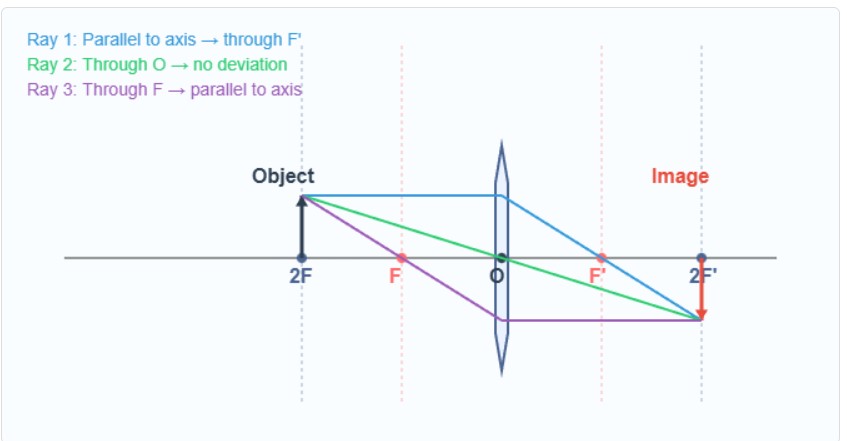
অংকনৰ বৰ্ণনা (Description of the drawing):
এখন উত্তল লেন্স আঁকি মুখ্য অক্ষডাল চিহ্নিত কৰক। (Draw a convex lens and mark its principal axis.)
লেন্সৰ দুয়োফালে ফ’কাছ (F) আৰু ভাঁজ কেন্দ্ৰ (2F) চিহ্নিত কৰক। (Mark the focus (F) and center of curvature (2F) on both sides of the lens.)
লক্ষ্যবস্তুটো বাওঁফালৰ 2F ত স্থাপন কৰক। (Place the object at 2F on the left side.)
লক্ষ্যবস্তুৰ মূৰৰ পৰা দুডাল ৰশ্মি আঁকক: (Draw two rays from the top of the object:)
এদাল ৰশ্মি মুখ্য অক্ষৰ সমান্তৰালভাৱে গৈ লেন্সত পৰি প্ৰতিসৰণৰ পিছত সোঁফালৰ ফ’কাছ (F₂) ৰ মাজেৰে পাৰ হৈ যাব। (A ray parallel to the principal axis will pass through the focus (F₂) on the right side after refraction.)
আনডাল ৰশ্মি আলোক কেন্দ্ৰ (O) ৰ মাজেৰে কোনো বিচ্যুতি নোহোৱাকৈ পোনে পোনে পাৰ হৈ যাব। (Another ray passing through the optical center (O) will go undeviated.)
ৰশ্মি দুডাল সোঁফালৰ 2F₂ ত কটাকটি কৰিব। সেই স্থানতে প্ৰতিবিম্বটো গঠন হ’ব। (The two rays will intersect at 2F₂ on the right side. The image will be formed at this point.)
প্ৰতিবিম্বৰ প্ৰকৃতি (Nature of the image): প্ৰতিবিম্বটো হ’ব সৎ, ওলোটা আৰু লক্ষ্যবস্তুৰ সমান আকাৰৰ। (The image will be real, inverted, and of the same size as the object.)
১১। তাপ দিলে 2g ফেৰাছ ছালফেট স্ফটিকৰ বিযোজন ঘটি 1g গোটা অক্সাইড আৰু দুই ধৰণৰ গেছৰ উৎপন্ন হয়। প্ৰয়োজনীয় ৰাসায়নিক বিক্ৰিয়া লিখি গোটা অক্সাইড বিধক আৰু দুই ধৰণৰ গেছক চিনাক্ত কৰা।
11. On heating, 2g of ferrous sulphate crystals decompose to form 1g of a solid oxide and two types of gases. Write the necessary chemical reaction and identify the solid oxide and the two gases. (2)
উত্তৰ / Answer:
ৰাসায়নিক বিক্ৰিয়া (Chemical Reaction): 2FeSO₄(s) –(তাপ/Heat)–> Fe₂O₃(s) + SO₂(g) + SO₃(g)
গোটা অক্সাইড (Solid Oxide): ফেৰিক অক্সাইড (Ferric Oxide, Fe₂O₃)
গেছ দুবিধ (The two gases): ছালফাৰ ডাইঅক্সাইড (Sulphur dioxide, SO₂) আৰু ছালফাৰ ট্ৰাইঅক্সাইড (Sulphur trioxide, SO₃)।
১২। ক্ষয়ীভৱন আৰু ৰেনচিডিটি বুলিলে কি বুজা? উদাহৰণৰ সহায়ত ব্যাখ্যা কৰা।
12. What do you understand by corrosion and rancidity? Explain with the help of examples.
(1+1=2)
উত্তৰ / Answer:
ক্ষয়ীভৱন (Corrosion): যেতিয়া কোনো ধাতু ইয়াৰ চৌপাশৰ পদাৰ্থ, যেনে – জলীয় বাষ্প, এচিড আদিৰ সংস্পৰ্শলৈ আহি আক্ৰান্ত হয়, তেতিয়া ধাতুবিধ ক্ষয় যায়। এই প্ৰক্ৰিয়াটোক ক্ষয়ীভৱন বোলে। উদাহৰণ (Example): লোত মামৰে ধৰা (Rusting of iron)।
ৰেনচিডিটি (Rancidity) বা দুৰ্গন্ধিতা: তেল বা চৰ্বীযুক্ত খাদ্যবস্তু বহুদিন ধৰি এৰি থ’লে বায়ুমণ্ডলৰ অক্সিজেনৰ দ্বাৰা জাৰিত হৈ গোন্ধ আৰু সোৱাদ সলনি হয়। এই পৰিঘটনাটোক ৰেনচিডিটি বোলে। উদাহৰণ (Example): পুৰণি তেলত ভজা খাদ্যৰ গোন্ধ আৰু সোৱাদ বেয়া হোৱা (The smell and taste of old fried food turning bad)।
১৩। চৌম্বক বলৰেখাৰ চাৰিটা ধৰ্ম লিখা।
13. Write four properties of magnetic field lines. (2)
উত্তৰ / Answer: চৌম্বক বলৰেখাৰ চাৰিটা ধৰ্ম হ’ল (Four properties of magnetic field lines are):
চৌম্বক বলৰেখাবোৰ চুম্বকৰ বাহিৰত উত্তৰ মেৰুৰ পৰা ওলাই দক্ষিণ মেৰুত সোমায় আৰু চুম্বকৰ ভিতৰত দক্ষিণ মেৰুৰ পৰা উত্তৰ মেৰুলৈ যায়, অৰ্থাৎ ইহঁত একোটা বন্ধ বক্ৰ। (They emerge from the North pole and merge at the South pole outside the magnet, and move from South to North inside the magnet, thus forming closed loops.)
চৌম্বক বলৰেখাৰ কোনো বিন্দুতে অঁকা স্পৰ্শকে সেই বিন্দুত চৌম্বক ক্ষেত্ৰৰ দিশ সূচায়। (The tangent at any point on a magnetic field line gives the direction of the magnetic field at that point.)
দুডাল চৌম্বক বলৰেখাই কেতিয়াও ইডালে সিডালক কটাকটি নকৰে। (Two magnetic field lines never intersect each other.)
চুম্বকৰ মেৰু অঞ্চলত বলৰেখাবোৰ ঘন হৈ থাকে, যিয়ে তাত চৌম্বক ক্ষেত্ৰৰ প্ৰাবল্য বেছি হোৱাটো সূচায়। (The field lines are denser near the poles of the magnet, indicating a stronger magnetic field.)
১৪। জীৱাশ্মজাত ইন্ধনৰ দুটা অসুবিধা লিখা।
14. Write two disadvantages of fossil fuels. (2)
উত্তৰ / Answer: জীৱাশ্মজাত ইন্ধনৰ দুটা অসুবিধা হ’ল (Two disadvantages of fossil fuels are):
পৰিৱেশ প্ৰদূষণ (Environmental Pollution): কয়লা, পেট্ৰ’লিয়াম আদি দহন কৰিলে কাৰ্বন ডাইঅক্সাইড, ছালফাৰ ডাইঅক্সাইড, নাইট্ৰ’জেন অক্সাইড আদি ক্ষতিকাৰক গেছ নিৰ্গত হয়, যি বায়ু প্ৰদূষণ, এচিড বৰষুণ আৰু গোলকীয় উষ্ণতা বৃদ্ধিৰ কাৰণ। (The combustion of fossil fuels like coal and petroleum releases harmful gases like carbon dioxide, sulphur dioxide, and nitrogen oxides, which cause air pollution, acid rain, and global warming.)
অনৱীকৰণযোগ্য উৎস (Non-renewable Source): জীৱাশ্মজাত ইন্ধনৰ ভাণ্ডাৰ সীমিত আৰু ইহঁতৰ গঠনত লাখ লাখ বছৰ সময় লাগে। সেয়েহে, এইবোৰ অনৱীকৰণযোগ্য শক্তিৰ উৎস আৰু ভৱিষ্যতে শেষ হৈ যোৱাৰ সম্ভাৱনা আছে। (The reserves of fossil fuels are limited, and they take millions of years to form. Therefore, they are non-renewable sources of energy and are likely to be exhausted in the future.)
১৫। পেলনীয়া আবৰ্জনাৰ সমস্যা দূৰীকৰণৰ দুটা পদ্ধতি উল্লেখ কৰা।
15. Mention two methods for solving the problem of waste disposal. (2)
উত্তৰ / Answer: পেলনীয়া আৱৰ্জনাৰ সমস্যা দূৰীকৰণৰ দুটা পদ্ধতি হ’ল (Two methods for solving the problem of waste disposal are):
পুনৰাবৰ্তন (Recycling): কাগজ, প্লাষ্টিক, কাঁচ, ধাতু আদিৰ দৰে আৱৰ্জনাবোৰ সংগ্ৰহ কৰি সেইবোৰৰ পৰা নতুন ব্যৱহাৰযোগ্য সামগ্ৰী প্ৰস্তুত কৰা। ই নতুন সম্পদৰ ব্যৱহাৰ কমায়। (Collecting waste materials like paper, plastic, glass, and metals and processing them to create new usable products. It reduces the use of new resources.)
সাৰীকৰণ (Composting): জৈৱ-নিম্নীকৰণযোগ্য আৱৰ্জনা, যেনে- শাক-পাচলিৰ বাকলি, খাদ্যৰ অৱশিষ্ট আদি একত্ৰিত কৰি পচন ঘটাই জৈৱিক সাৰ প্ৰস্তুত কৰা। এই সাৰ মাটিৰ উৰ্বৰতা বৃদ্ধিত ব্যৱহাৰ কৰিব পাৰি। (Collecting biodegradable waste like vegetable peels and leftover food and allowing it to decompose to produce organic manure. This manure can be used to increase soil fertility.)
১৬। বন আৰু বন্যপ্ৰাণীসমূহ কিয় সংৰক্ষণ কৰিব লাগে?
16. Why should forests and wildlife be conserved? (2)
উত্তৰ / Answer: বন আৰু বন্যপ্ৰাণী সংৰক্ষণ কৰা উচিত কাৰণ (Forests and wildlife should be conserved because):
পৰিস্থিতিতন্ত্ৰৰ ভাৰসাম্য ৰক্ষা (To maintain ecological balance): বনাঞ্চলে জলবায়ু নিয়ন্ত্ৰণ কৰে, মাটিৰ খহনীয়া ৰোধ কৰে আৰু বন্যপ্ৰাণীয়ে খাদ্য শৃংখল বজাই ৰাখি পৰিস্থিতিতন্ত্ৰৰ ভাৰসাম্য ৰক্ষা কৰে। (Forests control the climate, prevent soil erosion, and wildlife maintains the food chain, thus preserving the ecological balance.)
জৈৱ-বৈচিত্ৰ্য সংৰক্ষণ (To conserve biodiversity): বন আৰু বন্যপ্ৰাণী জৈৱ-বৈচিত্ৰ্যৰ ভঁৰাল। এই বৈচিত্ৰ্যই আমাক খাদ্য, ঔষধ আৰু অন্যান্য বহুতো লাগতিয়াল সামগ্ৰী যোগান ধৰে। (Forests and wildlife are reservoirs of biodiversity. This diversity provides us with food, medicine, and many other essential materials.)
১৭। চকুৰ উপযোজন ক্ষমতা বুলিলে কি বুজা?
17. What do you understand by the power of accommodation of the eye? (2)
উত্তৰ / Answer: চকুৰ ছিলেৰী পেশীৰ সহায়ত চকুৰ লেন্সখনে নিজৰ ফ’কাছ দৈৰ্ঘ্য সলনি কৰি ওচৰৰ আৰু দূৰৰ বস্তু স্পষ্টকৈ অক্ষিপটত গঠন কৰিব পৰা ক্ষমতাকে চকুৰ উপযোজন ক্ষমতা (Power of accommodation) বোলা হয়। (The ability of the eye lens to adjust its focal length with the help of ciliary muscles, to form a clear image of near and distant objects on the retina, is called the power of accommodation of the eye.)
১৮। পৰিবাহীৰ ৰোধ নিৰ্ভৰ কৰা দুটা কাৰক লিখা।
18. Write two factors on which the resistance of a conductor depends. (2)
উত্তৰ / Answer: পৰিবাহীৰ ৰোধ নিৰ্ভৰ কৰা দুটা কাৰক হ’ল (Two factors on which the resistance of a conductor depends are):
পৰিবাহীৰ দৈৰ্ঘ্য (Length of the conductor, l): পৰিবাহীৰ ৰোধ ইয়াৰ দৈৰ্ঘ্যৰ সমানুপাতিক (R ∝ l)। (The resistance of a conductor is directly proportional to its length.)
পৰিবাহীৰ প্ৰস্থচ্ছেদৰ কালি (Area of cross-section of the conductor, A): পৰিবাহীৰ ৰোধ ইয়াৰ প্ৰস্থচ্ছেদৰ কালিৰ ব্যস্তানুপাতিক (R ∝ 1/A)। (The resistance of a conductor is inversely proportional to its area of cross-section.)
১৯। এটা বৈদ্যুতিক মটৰে 220 V লাইনৰ পৰা 5 A প্ৰৱাহ লয়। মটৰটোৰ ক্ষমতা আৰু 2 ঘণ্টাত ই ব্যয় কৰা শক্তি উলিওৱা।
19. An electric motor takes 5 A from a 220 V line. Determine the power of the motor and the energy consumed in 2 hours. (2)
উত্তৰ / Answer:
ক্ষমতা (Power, P):
P = V × I
P = 220 V × 5 A = 1100 W বা (or) 1.1 kW
ব্যয় কৰা শক্তি (Energy consumed, E):
E = P × t
E = 1.1 kW × 2 h = 2.2 kWh (বা 2.2 ইউনিট / or 2.2 units)
২০। ৰক্তচাপ কি? চিষ্ট’লিক আৰু ডায়েষ্ট’লিক চাপ কি? এজন মানুহৰ সাধাৰণ চিষ্ট’লিক চাপ আৰু ডায়েষ্ট’লিক চাপৰ মাত্ৰা কিমান হোৱা উচিত?
20. What is blood pressure? What are systolic and diastolic pressures? What should be the normal systolic and diastolic pressure range for a person? (½ + 1 + ½ = 2)
উত্তৰ / Answer:
ৰক্তচাপ (Blood Pressure): তেজৰ প্ৰবাহে ৰক্তনলীৰ বেৰত প্ৰয়োগ কৰা চাপকে ৰক্তচাপ বোলে। (The pressure exerted by the flow of blood on the walls of the blood vessels is called blood pressure.)
চিষ্ট’লিক আৰু ডায়েষ্ট’লিক চাপ (Systolic and Diastolic Pressure): নিলয়ৰ সংকোচনৰ সময়ত ধমনীৰ ভিতৰত হোৱা সৰ্বোচ্চ চাপক চিষ্ট’লিক চাপ আৰু নিলয়ৰ প্ৰসাৰণৰ সময়ত হোৱা সৰ্বনিম্ন চাপক ডায়েষ্ট’লিক চাপ বোলে। (The maximum pressure inside the artery during ventricular contraction is called systolic pressure, and the minimum pressure during ventricular relaxation is called diastolic pressure.)
সাধাৰণ মাত্ৰা (Normal Range): এজন সুস্থ প্ৰাপ্তবয়স্ক মানুহৰ সাধাৰণ চিষ্ট’লিক চাপ প্ৰায় 120 mm Hg আৰু ডায়েষ্ট’লিক চাপ প্ৰায় 80 mm Hg হোৱা উচিত। (For a healthy adult, the normal systolic pressure should be around 120 mm Hg and the diastolic pressure should be around 80 mm Hg.)
২১। স্নায়ুপেশীৰ সংযোজন কি? শৰীৰৰ এটা অংশৰ পৰা আন অংশলৈ স্নায়ুপ্ৰেৰণা কেনেদৰে প্ৰবাহিত হয়?
21. What is a neuromuscular junction? How is a nerve impulse transmitted from one part of the body to another? (½ + 1½ = 2)
উত্তৰ / Answer:
স্নায়ুপেশীৰ সংযোজন (Neuromuscular Junction): যি স্থানত এটা চালক স্নায়ুকোষৰ (motor neuron) এক্সনৰ অন্তিম প্ৰান্ত আৰু এটা পেশী কোষৰ আৱৰণ (sarcolemma) মিলিত হয়, সেই সংযোগস্থলকে স্নায়ুপেশীৰ সংযোজন বোলে। (The junction where the terminal end of a motor neuron’s axon meets the membrane of a muscle fiber (sarcolemma) is called the neuromuscular junction.)
প্ৰবাহৰ ধাৰা (Transmission of Impulse): শৰীৰৰ এটা অংশৰ পৰা (যেনে- জ্ঞানেন্দ্ৰিয়) স্নায়ুপ্ৰেৰণা বৈদ্যুতিক সংকেত হিচাপে স্নায়ুকোষৰ ডেণ্ড্ৰাইটৰ দ্বাৰা গৃহীত হয়। তাৰ পিছত ই কোষদেহৰ মাজেৰে এক্সনলৈ যায়। এক্সনৰ শেষত এই বৈদ্যুতিক সংকেতে কিছুমান ৰাসায়নিক পদাৰ্থ (নিউৰ’ট্ৰান্সমিটাৰ) মুকলি কৰি দিয়ে, যি ছাইনেপ্স (দুটা স্নায়ুকোষৰ মাজৰ ব্যৱধান) অতিক্ৰম কৰি পৰৱৰ্তী স্নায়ুকোষৰ ডেণ্ড্ৰাইটক উদ্দীপিত কৰে। এইদৰে স্নায়ুপ্ৰেৰণা এটা স্নায়ুকোষৰ পৰা আন এটালৈ প্ৰবাহিত হয়। (A nerve impulse from a part of the body (e.g., a sense organ) is received as an electrical signal by the dendrites of a neuron. It then travels through the cell body to the axon. At the end of the axon, this electrical signal releases some chemicals (neurotransmitters) which cross the synapse (the gap between two neurons) and stimulate the dendrites of the next neuron. This is how a nerve impulse is transmitted from one neuron to another.)
২২। দ্বি-বিভাজন আৰু বহুবিভাজনৰ মাজৰ পাৰ্থক্য দৰ্শোৱা।
22. Differentiate between binary fission and multiple fission.
(2)
উত্তৰ / Answer:
দ্বি-বিভাজন (Binary Fission)
বহুবিভাজন (Multiple Fission)
1. ইয়াত এটা মাতৃকোষ বিভাজিত হৈ দুটা অপত্য কোষৰ সৃষ্টি কৰে। (Here, one parent cell divides to form two daughter cells.)
1. ইয়াত এটা মাতৃকোষ বিভাজিত হৈ বহুতো অপত্য কোষৰ সৃষ্টি কৰে। (Here, one parent cell divides to form many daughter cells.)
2. ই অনুকূল পৰিৱেশত সংঘটিত হয়। (It occurs in favorable conditions.)
2. ই সাধাৰণতে প্ৰতিকূল পৰিৱেশত সংঘটিত হয়। (It generally occurs in unfavorable conditions.)
3. উদাহৰণ: এমিবা, পেৰামেচিয়াম। (Example: Amoeba, Paramoecium.)
3. উদাহৰণ: প্লাজম’ডিয়াম ( মেলেৰিয়াৰ পৰজীৱী)। (Example: Plasmodium (malarial parasite).)
২৩। এটা নতুন প্ৰজাতিৰ উৎপত্তিৰ বাবে কি কি কাৰকে অৰিহণা যোগায়?
23. What factors could lead to the rise of a new species? (2)
উত্তৰ / Answer: নতুন প্ৰজাতিৰ উৎপত্তিৰ বাবে অৰিহণা যোগোৱা কাৰকসমূহ হ’ল (The factors that could lead to the rise of a new species are):
জিনীয় বিচ্যুতি (Genetic Drift): কোনো এটা সৰু জনসংখ্যাত আকস্মিকভাৱে কিছুমান জিনৰ সঘনতাৰ পৰিৱৰ্তন ঘটিলে নতুন প্ৰজাতিৰ সৃষ্টি হ’ব পাৰে। (Accidental changes in the frequency of certain genes in a small population can lead to the formation of a new species.)
প্ৰাকৃতিক নিৰ্বাচন (Natural Selection): পৰিৱেশৰ লগত খাপ খাব পৰা বৈশিষ্ট্যবোৰ প্ৰকৃতিয়ে নিৰ্বাচন কৰে, যাৰ ফলত সময়ৰ লগে লগে নতুন প্ৰজাতিৰ উদ্ভৱ হয়। (Nature selects traits that are advantageous for survival in a particular environment, which over time leads to the evolution of a new species.)
ভৌগোলিক পৃথকীকৰণ (Geographical Isolation): যেতিয়া কোনো এটা জনসংখ্যা নদী, পৰ্বত আদিৰ দ্বাৰা ভৌগোলিকভাৱে পৃথক হৈ পৰে, তেতিয়া সিহঁতৰ মাজত জিনৰ প্ৰবাহ বন্ধ হৈ যায় আৰু দুয়োটা গোটেই পৃথক প্ৰজাতিলৈ বিকশিত হ’ব পাৰে। (When a population is geographically separated by barriers like rivers or mountains, gene flow between them stops, and both groups can evolve into separate species.)
২৪। (a) আয়নীয় যৌগৰ কঠিন অৱস্থা আৰু বিগলিত অৱস্থাত বিদ্যুত পৰিবাহিতাৰ বিষয়ত আলোচনা কৰা।
24. (a) Discuss the electrical conductivity of ionic compounds in the solid state and in the molten state. (1+1=2)
(b) ধাতু নিষ্কাশনত কেনেকৈ বিদ্যুৎ বিজাৰণ পদ্ধতি ব্যৱহাৰ কৰা হয়?
(b) How is the electrolytic reduction method used in the extraction of metals? (1)
উত্তৰ / Answer:
(a)
কঠিন অৱস্থাত (In Solid State): কঠিন অৱস্থাত আয়নীয় যৌগৰ আয়নবোৰ এক সুদৃঢ় জালিকা গঠনত আৱদ্ধ হৈ থাকে আৰু চলাচল কৰিব নোৱাৰে। মুক্ত আয়নৰ অনুপস্থিতিৰ বাবে আয়নীয় যৌগই কঠিন অৱস্থাত বিদ্যুৎ পৰিবহণ নকৰে। (In the solid state, the ions of an ionic compound are held in a rigid lattice structure and cannot move. Due to the absence of free ions, ionic compounds do not conduct electricity in the solid state.)
বিগলিত অৱস্থাত (In Molten State): বিগলিত বা জলীয় দ্ৰৱ অৱস্থাত আয়নীয় যৌগৰ আয়নবোৰ মুক্তভাৱে চলাচল কৰিব পাৰে। এই মুক্ত আয়নৰ চলাচলৰ বাবে আয়নীয় যৌগই বিগলিত অৱস্থাত বিদ্যুৎ পৰিবহণ কৰে। (In the molten or aqueous solution state, the ions of an ionic compound can move freely. Due to the movement of these free ions, ionic compounds conduct electricity in the molten state.)
(b) অধিক সক্ৰিয় ধাতু (যেনে- Na, K, Ca, Al) বোৰক কাৰ্বনৰ দ্বাৰা বিজাৰিত কৰিব নোৱাৰি। সেয়েহে, এই ধাতুসমূহৰ বিগলিত ক্ল’ৰাইড বা অক্সাইড লৱণৰ মাজেৰে বিদ্যুৎ প্ৰবাহ চালিত কৰা হয়। কেথ’ডত (ঋণাত্মক) ধাতৱীয় আয়নবোৰ ইলেক্ট্ৰন গ্ৰহণ কৰি বিজাৰিত হৈ বিশুদ্ধ ধাতু হিচাপে জমা হয়। এই পদ্ধতিকে বিদ্যুৎ বিজাৰণ বোলে। (Highly reactive metals (like Na, K, Ca, Al) cannot be reduced by carbon. Therefore, an electric current is passed through their molten chloride or oxide salts. At the cathode (negative electrode), the metal ions gain electrons, get reduced, and are deposited as pure metal. This method is called electrolytic reduction.)
২৫। 18 cm ফ’কাছ দৈৰ্ঘ্যৰ অৱতল দাপোন এখনৰ সন্মুখত 27 cm দূৰত্বত 7 cm আকাৰৰ বস্তু এটা ৰখা হৈছে। … প্ৰতিবিম্বৰ আকাৰ আৰু প্ৰকৃতি নিৰ্ণয় কৰা।
25. An object 7 cm in size is placed at a distance of 27 cm in front of a concave mirror of focal length 18 cm. … Determine the size and nature of the image. (3)
উত্তৰ / Answer:
দিয়া আছে (Given),
ফ’কাছ দৈৰ্ঘ্য (Focal length, f) = -18 cm (অৱতল দাপোণ / concave mirror)
লক্ষ্যবস্তুৰ দূৰত্ব (Object distance, u) = -27 cm
লক্ষ্যবস্তুৰ আকাৰ (Object size, h) = 7 cm
দাপোণৰ সূত্ৰ ব্যৱহাৰ কৰি (Using the mirror formula): 


 ∴ v = -54 cm
গতিকে, প্ৰতিবিম্বটো দাপোণৰ সন্মুখত 54 cm দূৰত্বত গঠন হ’ব। (Therefore, the image will be formed at a distance of 54 cm in front of the mirror.)
বিবৰ্ধন (Magnification, m) = -v/u = h’/h
এতিয়া (Now), h’ = m × h = -2 × 7 = -14 cm
প্ৰতিবিম্বৰ আকাৰ (Size of the image): 14 cm (ঋণাত্মক চিনে ওলোটা প্ৰতিবিম্ব সূচায় / The negative sign indicates an inverted image).
প্ৰতিবিম্বৰ প্ৰকৃতি (Nature of the image): যিহেতু v ঋণাত্মক, প্ৰতিবিম্বটো সৎ আৰু ওলোটা (Real and inverted)।
২৬। ‘ATP’ ৰ সম্পূৰ্ণৰূপটো কি? … ‘ATP’ অনুবোৰক এনেবোৰ প্ৰক্ৰিয়া অগ্ৰসৰ কৰাৰ ক্ষেত্ৰত কেনেদৰে ব্যৱহাৰ কৰা হয়?
26. What is the full form of ‘ATP’? … How are ATP molecules used to drive such processes? (½+½+1+½+½ = 3)
উত্তৰ / Answer:
সম্পূৰ্ণ ৰূপ (Full Form): এডেন’ছিন ট্ৰাইফছফেট (Adenosine Triphosphate)।
শক্তি মুদ্ৰা (Energy Currency): শ্বসনৰ ফলত মুক্ত হোৱা শক্তি ATP অণুত সঞ্চিত হৈ থাকে আৰু কোষে বিভিন্ন কাৰ্যৰ বাবে এই সঞ্চিত শক্তি ব্যৱহাৰ কৰে। সেয়েহে ইয়াক ‘শক্তি মুদ্ৰা’ বোলা হয়। (The energy released during respiration is stored in ATP molecules, and the cell uses this stored energy for various functions. Hence, it is called the ‘energy currency’.)
ATP ৰ উৎপাদন (Production of ATP): কোষীয় শ্বসনৰ সময়ত গ্লুক’জৰ জাৰণৰ ফলত মুক্ত হোৱা শক্তি ব্যৱহাৰ কৰি ADP (এডেন’ছিন ডাইফছফেট) আৰু এটা অজৈৱ ফছফেট (Pi) লগ হৈ ATP অণু উৎপন্ন হয়। (During cellular respiration, the energy released from the oxidation of glucose is used to combine ADP (Adenosine Diphosphate) and an inorganic phosphate (Pi) to form an ATP molecule.)
তাপগ্ৰাহী প্ৰক্ৰিয়া (Endothermic Process): যি প্ৰক্ৰিয়াত শক্তি শোষিত হয়, তাকে তাপগ্ৰাহী প্ৰক্ৰিয়া বোলে। (A process that absorbs energy is called an endothermic process.)
ATP ৰ ব্যৱহাৰ (Use of ATP): যেতিয়া কোষে শক্তিৰ প্ৰয়োজন অনুভৱ কৰে, তেতিয়া ATP অণু ভাঙি ADP আৰু ফছফেটলৈ পৰিণত হয় আৰু শক্তি মুক্ত কৰে। এই মুক্ত শক্তিয়েই কোষৰ বিভিন্ন তাপগ্ৰাহী প্ৰক্ৰিয়া, যেনে- পেশীৰ সংকোচন, প্ৰ’টিন সংশ্লেষণ আদি সম্পন্ন কৰাত সহায় কৰে। (When the cell needs energy, the ATP molecule breaks down into ADP and phosphate, releasing energy. This released energy helps to carry out various endothermic processes in the cell, such as muscle contraction, protein synthesis, etc.)