
SEBA HSLC Social Science Question Paper 2025 (Solved)
Full Marks: 90
Time: 3 Hours
SECTION-A / ক-শাখা
1. ১৯০৫ চনৰ বংগ বিভাজন সম্পৰ্কে তলৰ কোনকেইটা উক্তি সত্য?
(i) ১৮৫৭ চনৰ বিদ্ৰোহৰ পিছত ই ভাৰতৰ ৰাজনৈতিক ইতিহাসৰ দ্বিতীয়টো উল্লেখনীয় ঘটনাৰ সূত্ৰপাত ঘটাইছিল।
(ii) ইয়াক বংগদেশৰ ক্ৰমবৰ্ধমান জাতীয় জাগৰণক মষিমূৰ কৰিবলৈ কাৰ্যকৰী কৰা হৈছিল।
(iii) শ্বিলঙক পূৰ্ববংগ আৰু অসমৰ ৰাজধানী কৰা হৈছিল।
(iv) ই স্বদেশী আন্দোলনৰ সূত্ৰপাত ঘটাইছিল।
Which of the following statements regarding the Partition of Bengal in 1905 are true?
(i) It marked the second most notable event in India’s political history after the Revolt of 1857.
(ii) It was implemented to crush the growing national awakening in Bengal.
(iii) Shillong was made the capital of East Bengal and Assam.
(iv) It led to the beginning of the Swadeshi Movement.
- (a) (i), (ii), (iv)
- (b) (i), (iii), (iv)
- (c) (ii), (iii), (iv)
- (d) (i), (ii), (iii), (iv)
উত্তৰ / Answer: (a) (i), (ii), (iv)
2. গোপাল কৃষ্ণ গোখলেই ব্ৰিটিছ চৰকাৰক ‘নাইটহুড’ উপাধি ঘূৰাই দিয়াৰ কাৰণৰ সৰ্বোৎকৃষ্ট ব্যাখ্যা তলৰ কোনটোৱে আগবঢ়াইছে?
Which of the following best explains the reason for Gopal Krishna Gokhale returning the ‘Knighthood’ title to the British government?
- (a) তেখেতে ভাবিছিল যে ব্ৰিটিছ চৰকাৰে যথোপযুক্ত শাসন প্ৰদানত ব্যৰ্থ হৈছিল। / He felt that the British government had failed to provide proper governance.
- (b) ব্ৰিটিছ প্ৰশাসন ব্যৱস্থাত পোৱা স্থানক লৈ তেখেত অসন্তুষ্ট হৈছিল। / He was dissatisfied with his position in the British administrative system.
- (c) ব্ৰিটিছৰ বংগ বিভাজন নীতিৰ লগত তেওঁ অসন্মত হৈছিল। / He disagreed with the British policy of the Partition of Bengal.
- (d) তেখেতে ৰাজহুৱা জীৱনৰ পৰা সন্ন্যাস ল’ব বিচাৰিছিল আৰু ব্যক্তিগত কাম-কাজত মনোনিৱেশ কৰিব খুজিছিল। / He wanted to retire from public life and focus on personal matters.
উত্তৰ / Answer: (c) ব্ৰিটিছৰ বংগ বিভাজন নীতিৰ লগত তেওঁ অসন্মত হৈছিল। / He disagreed with the British policy of the Partition of Bengal.
3. দাবী (A): ভাৰতত হোৱা স্বদেশী আন্দোলনে থলুৱা সা-সামগ্ৰী বৃদ্ধি কৰিব বিচৰাৰ লগতে ব্ৰিটিছ সামগ্ৰীৰ ওপৰত নিৰ্ভৰশীলতা হ্ৰাস কৰিব বিচাৰিছিল।
কাৰণ (R): স্বদেশী আন্দোলনে প্ৰধানতঃ ব্ৰিটিছৰ কৰ-কাটল আৰু চৰকাৰী ঋণৰ বিৰুদ্ধে প্ৰতিবাদ কৰাক লক্ষ্য কৰি লৈছিল।
Assertion (A): The Swadeshi Movement in India sought to promote indigenous goods and reduce dependence on British products.
Reason (R): The Swadeshi Movement primarily aimed to protest against British taxes and government loans.
- (a) (A) আৰু (R) উভয়ে সত্য; আৰু (R), (A)ৰ শুদ্ধ ব্যাখ্যা। / Both (A) and (R) are true; and (R) is the correct explanation of (A).
- (b) (A) সত্য, কিন্তু (R) অসত্য। / (A) is true, but (R) is false.
- (c) (A) আৰু (R) উভয়ে সত্য; কিন্তু (R), (A)ৰ শুদ্ধ ব্যাখ্যা নহয়। / Both (A) and (R) are true; but (R) is not the correct explanation of (A).
- (d) (A) অসত্য, কিন্তু (R) সত্য। / (A) is false, but (R) is true.
উত্তৰ / Answer: (b) (A) সত্য, কিন্তু (R) অসত্য। / (A) is true, but (R) is false.
4. তলত দিয়াসকলৰ কোনে ভাৰতৰ স্বদেশী আন্দোলনৰ সময়ত ‘বন্দে মাতৰম’ নামৰ এখন আলোচনী সম্পাদনা কৰিছিল?
Who among the following edited a journal named ‘Bande Mataram’ during the Swadeshi Movement in India?
- (a) অৰবিন্দ ঘোষ / Aurobindo Ghose
- (b) কৃষ্ণকুমাৰ মিত্ৰ / Krishnakumar Mitra
- (c) সুৰেন্দ্ৰনাথ বেনাৰ্জী / Surendranath Banerjee
- (d) কুমুদিনী মিশ্ৰ / Kumudini Mishra
উত্তৰ / Answer: (a) অৰবিন্দ ঘোষ / Aurobindo Ghose
5. অসহযোগ আন্দোলনৰ বিষয়ে তলত দিয়া উক্তিকেইটা বিচাৰ কৰা।
(i) লোণ আইনৰ বিৰোধিতা কৰা হৈছিল।
(ii) ছাত্ৰ-ছাত্ৰীসকলে চৰকাৰী বিদ্যালয় ত্যাগ কৰিছিল।
(iii) হিন্দু আৰু মুছলমানৰ মাজত একতা।
(iv) মহিলাসকলে অংশগ্ৰহণ কৰা নাছিল।
Consider the following statements about the Non-Cooperation Movement.
(i) The Salt Act was opposed.
(ii) Students left government schools.
(iii) Unity between Hindus and Muslims.
(iv) Women did not participate.
- (a) (i) and (iv)
- (b) (ii) and (iii)
- (c) (i) and (ii)
- (d) (i), (ii), (iii) and (iv)
উত্তৰ / Answer: (b) (ii) and (iii)
6. তলৰ কোনকেইটা ১৯৪৭ চনৰ ভাৰত স্বাধীন আইনৰ দফা আছিল?
(i) ১৯৪৭ চনৰ ১৫ আগষ্ট তাৰিখে ভাৰত আৰু পাকিস্তানে স্বাধীনতা লাভ কৰিব।
(ii) প্ৰতিখন স্ব-শাসিত দেশতে ৰজাই নিযুক্তি দিয়া একোজনকৈ প্ৰধানমন্ত্ৰী থাকিব।
(iii) ভাৰত আৰু পাকিস্তান নামেৰে দুখন স্ব-শাসিত দেশ গঠন কৰা হ’ব আৰু উক্ত দেশ দুখনৰ সংবিধান সভাই দেশ দুখনে ব্ৰিটিছ কমনৱেলথত যোগ দিব নে নিদিয়ে নিজাববীয়াকৈ সিদ্ধান্ত ল’ব।
(iv) দুয়োখন দেশৰ বিধানমণ্ডলে কেৱল ব্ৰিটিছ সংসদৰ তত্ত্বাৱধানতহে আইন প্ৰণয়ন কৰাৰ ক্ষমতা লাভ কৰিব।
Which of the following were clauses of the Indian Independence Act of 1947?
(i) India and Pakistan will gain independence on August 15, 1947.
(ii) Each dominion will have a Prime Minister appointed by the King.
(iii) Two dominions, India and Pakistan, will be formed, and their respective Constituent Assemblies will decide whether to join the British Commonwealth.
(iv) The legislatures of both countries will have the power to make laws only under the supervision of the British Parliament.
- (a) (i) and (ii)
- (b) (i) and (iii)
- (c) (i) and (iv)
- (d) (ii) and (iv)
উত্তৰ / Answer: (b) (i) and (iii)
7. সংঘটিত হোৱাৰ ক্ৰম অনুসৰি পুৰণিৰ পৰা নতুনলৈ তলত দিয়া ঐতিহাসিক ঘটনাসমূহ সজোৱা।
(i) আগষ্ট বিপ্লৱ
(ii) প্ৰত্যক্ষ দাবী দিৱস
(iii) ছাইমন কমিছন
(iv) পূৰ্ণ স্বৰাজৰ দাবী
Arrange the following historical events in chronological order from oldest to newest.
(i) August Revolution
(ii) Direct Action Day
(iii) Simon Commission
(iv) Demand for Purna Swaraj
- (a) (i), (ii), (iii), (iv)
- (b) (iii), (iv), (ii), (i)
- (c) (i), (ii), (iv), (iii)
- (d) (iii), (iv), (i), (ii)
উত্তৰ / Answer: (d) (iii), (iv), (i), (ii)
8. দাবী (A): ঊনবিংশ শতিকাৰ শেষৰ দশককেইটাত অসমত এলানি কৃষক বিদ্ৰোহ সংঘটিত হৈছিল।
কাৰণ (R): কৃষকসকলে ৰাইজ মেলসমূহৰ জৰিয়তে নিজকে সংগঠিত কৰিছিল।
Assertion (A): A series of peasant revolts occurred in Assam during the last decades of the nineteenth century.
Reason (R): The peasants organized themselves through ‘Raij Mels’.
- (a) (A) সত্য, কিন্তু (R) অসত্য। / (A) is true, but (R) is false.
- (b) (A) অসত্য, কিন্তু (R) সত্য। / (A) is false, but (R) is true.
- (c) (A) আৰু (R) উভয়ে সত্য; আৰু (R), (A)ৰ শুদ্ধ ব্যাখ্যা। / Both (A) and (R) are true; and (R) is the correct explanation of (A).
- (d) (A) আৰু (R) উভয়ে সত্য; কিন্তু (R), (A)ৰ শুদ্ধ ব্যাখ্যা নহয়। / Both (A) and (R) are true; but (R) is not the correct explanation of (A).
উত্তৰ / Answer: (c) (A) আৰু (R) উভয়ে সত্য; আৰু (R), (A)ৰ শুদ্ধ ব্যাখ্যা। / Both (A) and (R) are true; and (R) is the correct explanation of (A).
9. মণিপুৰৰ বিদ্ৰোহৰ নেতাসকলৰ ক্ষেত্ৰত ব্ৰিটিছ চৰকাৰে লোৱা ব্যৱস্থাই অঞ্চলটোত পৰৱৰ্তী কালৰ প্ৰতিবাদী সংগ্ৰামক কেনেদৰে প্ৰভাৱিত কৰিছিল?
How did the British government’s actions against the leaders of the Manipur revolt affect subsequent protest movements in the region?
- (a) ব্ৰিটিছৰ কৰ্তৃত্বক প্ৰত্যাহ্বান জনাব পাৰি বুলি বুজিব পাৰি ই আৰু অধিক প্ৰতিবাদী ব্যৱস্থা লোৱাত উৎসাহ যোগাইছিল। / Understanding that British authority could be challenged, it encouraged more protests.
- (b) বৰ্ধিত দমনমূলক ব্যৱস্থাই স্থানীয় প্ৰতিবাদৰ মাত্ৰা হ্ৰাস কৰিছিল। / Increased repressive measures reduced the level of local protest.
- (c) ই ব্ৰিটিছ কৰ্তৃপক্ষ আৰু স্থানীয় নেতাসকলৰ মাজত সহযোগিতাৰ মনোভাৱ সৃষ্টি কৰিছিল। / It created a spirit of cooperation between the British authorities and local leaders.
- (d) ভৱিষ্যতৰ প্ৰতিবাদী আন্দোলনসমূহৰ ওপৰত ইয়াৰ কোনো গুৰুত্বপূৰ্ণ প্ৰভাৱ পৰা নাছিল। / It had no significant impact on future protest movements.
উত্তৰ / Answer: (a) ব্ৰিটিছৰ কৰ্তৃত্বক প্ৰত্যাহ্বান জনাব পাৰি বুলি বুজিব পাৰি ই আৰু অধিক প্ৰতিবাদী ব্যৱস্থা লোৱাত উৎসাহ যোগাইছিল। / Understanding that British authority could be challenged, it encouraged more protests.
10. হেৰম্বকান্ত বৰপূজাৰীৰ মতে, উজনি অসমৰ ভালেমান ব্ৰাহ্মণ পুৰোহিতে ১৮৫৭ চনৰ বিদ্ৰোহত যোগ দিছিল। ইয়াৰ শুদ্ধ কাৰণটো কি আছিল?
According to Herambakanta Barpujari, many Brahmin priests in Upper Assam joined the Revolt of 1857. What was the correct reason for this?
- (a) তেওঁলোকে আহোম অভিজাত শ্ৰেণীটোক সমৰ্থন জনাইছিল। / They supported the Ahom aristocracy.
- (b) ব্ৰিটিছসকলে অসম দখল কৰাৰ পিছত তেওঁলোকে তেওঁলোকৰ জীৱিকা হেৰুৱাইছিল। / They lost their livelihood after the British occupied Assam.
- (c) ব্ৰিটিছসকলে তেওঁলোকৰ হাতৰ পৰা লাখেৰাজ (নিষ্কৰ) ভূমিৰ অতিৰিক্তখিনি কাঢ়ি লৈছিল। / The British had confiscated their excess Lakhiraj (tax-free) lands.
- (d) তেওঁলোকে ব্ৰিটিছৰ পৰা ভাৰতক স্বাধীন কৰিব বিচাৰিছিল। / They wanted to free India from the British.
উত্তৰ / Answer: (c) ব্ৰিটিছসকলে তেওঁলোকৰ হাতৰ পৰা লাখেৰাজ (নিষ্কৰ) ভূমিৰ অতিৰিক্তখিনি কাঢ়ি লৈছিল। / The British had confiscated their excess Lakhiraj (tax-free) lands.
11. অসমত আবকাৰী কানিৰ সেৱন ১৯২০-২১ বৰ্ষত ১৬১৫ মোনৰ পৰা হ্ৰাস হৈ ১৯২২-২৩ বৰ্ষত ৯৯৩ মোন হৈছিলগৈ। তলৰ কোনটো বিৱৰণে কানিৰ সেৱন হ্ৰাস হোৱাৰ কথা শুদ্ধভাৱে ব্যাখ্যা কৰিছে?
The consumption of excise opium in Assam decreased from 1615 maunds in 1920-21 to 993 maunds in 1922-23. Which of the following statements correctly explains this decrease in opium consumption?
- (a) কানি সেৱনৰ কুপ্ৰভাৱৰ কথা স্বীকাৰ কৰি ব্ৰিটিছ চৰকাৰে ইয়াৰ বিক্ৰী সীমিত কৰিছিল। / Acknowledging the ill effects of opium consumption, the British government limited its sale.
- (b) ৰাইজে কানি সেৱনৰ কুপ্ৰভাৱৰ কথা বুজি পাইছিল। / The public understood the ill effects of opium consumption.
- (c) ৰাইজৰ মাজত কানিৰ চাহিদা হ্ৰাস পাইছিল। / The demand for opium among the public decreased.
- (d) কংগ্ৰেছ কৰ্মীসকলৰ নেতৃত্বত গ্ৰহণ কৰা সবল কানি-বিৰোধী কাৰ্যপন্থা। / Strong anti-opium measures led by Congress workers.
উত্তৰ / Answer: (d) কংগ্ৰেছ কৰ্মীসকলৰ নেতৃত্বত গ্ৰহণ কৰা সবল কানি-বিৰোধী কাৰ্যপন্থা। / Strong anti-opium measures led by Congress workers.
12. তলৰ বিকল্পবোৰৰ পৰা, মহাত্মা গান্ধীয়ে নেতৃত্ব দিয়া কাৰ্যসূচীটো আৰু স্বাধীনতা আন্দোলনটো বাছি উলিওৱা য’ত অসমৰ পৰা লীলাধৰ বৰুৱাই যোগ দিছিল।
From the options below, select the program and freedom movement led by Mahatma Gandhi in which Liladhar Baruah from Assam participated.
- (a) ডাণ্ডি যাত্ৰা, অসহযোগ আন্দোলন / Dandi March, Non-Cooperation Movement
- (b) ডাণ্ডি যাত্ৰা, আইন অমান্য আন্দোলন / Dandi March, Civil Disobedience Movement
- (c) তিলক স্বৰাজ্য পুঁজিৰ মাধ্যমেৰে পুঁজি সংগ্ৰহ, অসহযোগ আন্দোলন / Fundraising through Tilak Swaraj Fund, Non-Cooperation Movement
- (d) বোম্বাইৰ ঐতিহাসিক আগষ্ট সভা, ভাৰত ত্যাগ আন্দোলন / Historic August meeting in Bombay, Quit India Movement
উত্তৰ / Answer: (b) ডাণ্ডি যাত্ৰা, আইন অমান্য আন্দোলন / Dandi March, Civil Disobedience Movement
13. তলত দিয়াবোৰ মিলোৱা আৰু শুদ্ধ উত্তৰটো বাছি উলিওৱা।
(i) অম্বিকাগিৰী ৰায়চৌধুৰী (a) জ্ঞান প্ৰদায়িনী সভা
(ii) পদ্মনাথ গোহাঁইবৰুৱা (b) বন্দীনি ভাৰত
(iii) লক্ষ্মীনাথ বেজবৰুৱা (c) আহোম সভা
(iv) আনন্দৰাম ঢেকিয়াল ফুকন (d) বীণ বৰাগী
Match the following and choose the correct answer.
(i) Ambikagiri Raichoudhury (a) Gyan Pradayini Sabha
(ii) Padmanath Gohain Baruah (b) Bandini Bharat
(iii) Lakshminath Bezbaroa (c) Ahom Sabha
(iv) Anandaram Dhekial Phukan (d) Bin Boragi
- (a) (i)-(b), (ii)-(c), (iii)-(d), (iv)-(a)
- (b) (i)-(d), (ii)-(a), (iii)-(c), (iv)-(b)
- (c) (i)-(b), (ii)-(c), (iii)-(a), (iv)-(d)
- (d) (i)-(d), (ii)-(a), (iii)-(b), (iv)-(c)
উত্তৰ / Answer: (a) (i)-(b), (ii)-(c), (iii)-(d), (iv)-(a)
14. গান্ধাৰ শৈলী সম্পৰ্কে তলৰ কোনটো শুদ্ধ?
Which of the following is correct about the Gandhara style?
- (a) মুখ্য বিষয়বস্তু আছিল হিন্দু দেৱ-দেৱীসকল। / The main theme was Hindu gods and goddesses.
- (b) ইয়াৰ বিকাশ প্ৰধানতঃ পশ্চিম উত্তৰ প্ৰদেশত হৈছিল। / It developed mainly in western Uttar Pradesh.
- (c) ই কেৱল মথুৰা শৈলীৰ দ্বাৰা প্ৰভাৱিত হৈছিল। / It was influenced only by the Mathura style.
- (d) ই গ্ৰীক্-ৰোমান শৈলীৰ সৈতে সম্পৰ্কিত। / It is related to the Greco-Roman style.
উত্তৰ / Answer: (d) ই গ্ৰীক্-ৰোমান শৈলীৰ সৈতে সম্পৰ্কিত। / It is related to the Greco-Roman style.
15. ভাৰতবৰ্ষৰ সাংস্কৃতিক ঐতিহ্যই ইয়াৰ ঐতিহাসিক বিচিত্ৰতাক কেনেদৰে প্ৰতিফলিত কৰে?
How does the cultural heritage of India reflect its historical diversity?
- (a) একেধৰণৰ ৰাজনৈতিক ইতিহাসৰ যোগেদি / Through a similar political history
- (b) বেলেগ বেলেগ অঞ্চলক প্ৰতিনিধিত্ব কৰা বিভিন্ন ভাষা, উৎসৱ আৰু শিল্প-কলাৰ জৰিয়তে / Through different languages, festivals, and arts representing different regions
- (c) এটা একীভূত জাতীয় ভাষাৰ জৰিয়তে / Through a unified national language
- (d) কেৱল এবিধ স্থাপত্য শৈলীৰ জৰিয়তে / Through only one architectural style
উত্তৰ / Answer: (b) বেলেগ বেলেগ অঞ্চলক প্ৰতিনিধিত্ব কৰা বিভিন্ন ভাষা, উৎসৱ আৰু শিল্প-কলাৰ জৰিয়তে / Through different languages, festivals, and arts representing different regions
16. তলত দিয়াবোৰ মিলোৱা আৰু শুদ্ধ উত্তৰটো বাছি উলিওৱা।
(i) কথাকলি (a) অন্ধ্ৰপ্ৰদেশ
(ii) ভাৰতনাট্যম (b) কেৰালা
(iii) কথক (c) তামিলনাডু
(iv) কুচিপুড়ি (d) উত্তৰ ভাৰত
Match the following and choose the correct answer.
(i) Kathakali (a) Andhra Pradesh
(ii) Bharatanatyam (b) Kerala
(iii) Kathak (c) Tamil Nadu
(iv) Kuchipudi (d) North India
- (a) (i)-(b), (ii)-(c), (iii)-(d), (iv)-(a)
- (b) (i)-(b), (ii)-(d), (iii)-(a), (iv)-(c)
- (c) (i)-(c), (ii)-(a), (iii)-(b), (iv)-(d)
- (d) (i)-(a), (ii)-(c), (iii)-(d), (iv)-(b)
উত্তৰ / Answer: (a) (i)-(b), (ii)-(c), (iii)-(d), (iv)-(a)
17. দাবী (A): সিন্ধু উপত্যকাৰ ধৰ্ম ব্যৱস্থাত উপাসনাৰ ভিন্ন পন্থাৰ লগতে উপাস্য দেৱতাৰো বিবিধতা দেখা যায়।
কাৰণ (R): ভাৰতৰ প্ৰাচীনতম ধৰ্মীয় পৰম্পৰাই নতুন নতুন বিশ্বাস, ৰীতি-নীতিৰ ক্ষেত্ৰত সহনশীলতা, সহবৰ্তিতা আৰু সংমিশ্ৰণৰ এক উদাৰ নীতি গ্ৰহণ কৰিছিল।
Assertion (A): The religious system of the Indus Valley shows diversity in worship methods as well as in deities.
Reason (R): India’s ancient religious tradition adopted a liberal policy of tolerance, coexistence, and synthesis towards new beliefs and rituals.
- (a) (A) আৰু (R) উভয়ে সত্য; কিন্তু (R), (A)ৰ শুদ্ধ ব্যাখ্যা নহয়। / Both (A) and (R) are true; but (R) is not the correct explanation of (A).
- (b) (A) আৰু (R) উভয়ে সত্য; আৰু (R), (A)ৰ শুদ্ধ ব্যাখ্যা। / Both (A) and (R) are true; and (R) is the correct explanation of (A).
- (c) (A) সত্য, (R) অসত্য। / (A) is true, (R) is false.
- (d) (A) অসত্য, (R) সত্য। / (A) is false, (R) is true.
উত্তৰ / Answer: (a) (A) আৰু (R) উভয়ে সত্য; কিন্তু (R), (A)ৰ শুদ্ধ ব্যাখ্যা নহয়। / Both (A) and (R) are true; but (R) is not the correct explanation of (A).
18. IUCN সম্পৰ্কে শুদ্ধ বাক্যবোৰ তলত দিয়া বিকল্পবোৰৰ পৰা বাছি উলিওৱা।
(i) IUCN ১৯৪৮ চনত গঠন কৰা হৈছিল।
(ii) IUCNৰ সম্পূৰ্ণ ৰূপটো হৈছে Indian Union for Conservation of Nature।
(iii) IUCNৰ উদ্যোগত বিশ্ব বন্যপ্ৰাণী পুঁজি (WWF) আৰু বিশ্ব সংৰক্ষণ নিৰীক্ষণ কেন্দ্ৰ স্থাপন কৰা হৈছিল।
(iv) জৰ্জ ছিজহ’ম IUCN ৰ প্ৰতিষ্ঠাপক সঞ্চালক প্ৰধান আছিল।
Select the correct statements about IUCN from the options below.
(i) IUCN was formed in 1948.
(ii) The full form of IUCN is Indian Union for Conservation of Nature.
(iii) The World Wildlife Fund (WWF) and the World Conservation Monitoring Centre were established at the initiative of IUCN.
(iv) George Chisholm was the founding Director-General of IUCN.
- (a) (i), (ii), (iii)
- (b) (ii), (iii), (iv)
- (c) (ii), (iv)
- (d) (i), (iii)
উত্তৰ / Answer: (d) (i), (iii)
19. অৰ্থনীতিৰ চতুৰ্থক খণ্ডৰ বাবে তলৰ কোনটো বিকল্প শুদ্ধ?
Which of the following options is correct for the quaternary sector of the economy?
- (a) সম্প্ৰদায়-ভিত্তিক পৰ্যটন / Community-based tourism
- (b) আধুনিক পৰিবেশ-অনুকূল প্ৰযুক্তিৰ বিষয়ে উদ্ভাৱনীমূলক গৱেষণা / Innovative research on modern eco-friendly technology
- (c) এখন শ্বপিং মলৰ বিক্ৰী কাৰ্যবাহী বিষয়া / A sales executive of a shopping mall
- (d) ৰাজহুৱা পৰিবহণৰ বাবে সেউজ বাছ সেৱা / Green bus service for public transport
উত্তৰ / Answer: (b) আধুনিক পৰিবেশ-অনুকূল প্ৰযুক্তিৰ বিষয়ে উদ্ভাৱনীমূলক গৱেষণা / Innovative research on modern eco-friendly technology
20. দাবী (A): সামাজিক পৰিৱৰ্তন ঘটাৰ লগে লগে সম্পদৰ ধাৰণা, আৰু ইয়াৰ আহৰণ আৰু ব্যৱহাৰৰো পৰিৱৰ্তন ঘটে।
কাৰণ (R): মানুহৰ জ্ঞানৰ প্ৰসাৰ আৰু বিজ্ঞান-প্ৰযুক্তিৰ উন্নয়নৰ ফলত পৃথিৱীত থকা বহু নিৰপেক্ষ আৰু প্ৰতিৰোধক সামগ্ৰী সম্পদলৈ ৰূপান্তৰিত হৈছে।
Assertion (A): As social change occurs, the concept of resources, and their extraction and use, also change.
Reason (R): Due to the expansion of human knowledge and the development of science and technology, many neutral and resistant materials on Earth have been transformed into resources.
- (a) (A) আৰু (R) উভয়ে শুদ্ধ। / Both (A) and (R) are correct.
- (b) (A) শুদ্ধ, (R) অশুদ্ধ। / (A) is correct, (R) is incorrect.
- (c) (A) অশুদ্ধ, (R) শুদ্ধ। / (A) is incorrect, (R) is correct.
- (d) (A) আৰু (R) উভয়ে অশুদ্ধ। / Both (A) and (R) are incorrect.
উত্তৰ / Answer: (a) (A) আৰু (R) উভয়ে শুদ্ধ। / Both (A) and (R) are correct.
21. সম্পদৰ সংৰক্ষণ সম্পৰ্কত তলত দিয়া কোনকেইটা শুদ্ধ?
(i) দীৰ্ঘম্যাদী উন্নয়ন প্ৰক্ৰিয়া বিবেচনা কৰি সম্পদৰ মিতব্যয়ী ব্যৱহাৰ
(ii) নৱীকৰণযোগ্য সম্পদৰ সলনি আৰু অধিক পৰিমাণে অনৱীকৰণযোগ্য সম্পদৰ ব্যৱহাৰ
(iii) কোনো ধৰণৰ বিনাশ আৰু অপব্যৱহাৰ নোহোৱাকৈ সম্পদৰ সম্ভাব্য পূৰ্ণ ব্যৱহাৰ
(iv) ব্যৱহাৰ নকৰি কেৱল ভৱিষ্যতৰ বাবে সম্পদসমূহ সাঁচি ৰখা
Which of the following are correct regarding the conservation of resources?
(i) Economical use of resources considering the long-term development process
(ii) Using more non-renewable resources instead of renewable resources
(iii) Potential full use of resources without any destruction and misuse
(iv) Simply saving resources for the future without using them
- (a) (i), (iv)
- (b) (i), (ii)
- (c) (ii), (iv)
- (d) (i), (iii)
উত্তৰ / Answer: (d) (i), (iii)
22. দাবী (A): অৰ্থনৈতিক ভূগোলত সম্পদৰ উৎপাদন, বিতৰণ, উপভোগ আৰু বিনিময়… অধ্যয়ন কৰা হয়।
কাৰণ (R): মানুহৰ জীৱনধাৰণ প্ৰণালী আৰু অৰ্থনৈতিক কার্যকলাপ স্থান-কাল ভেদে বেলেগ বেলেগ হয়।
Assertion (A): Economic geography studies the production, distribution, consumption, and exchange of resources.
Reason (R): Human lifestyles and economic activities vary from place to place and time to time.
- (a) (A) আৰু (R) উভয়ে সত্য; আৰু (R), (A)ৰ শুদ্ধ ব্যাখ্যা। / Both (A) and (R) are true; and (R) is the correct explanation of (A).
- (b) (A) আৰু (R) উভয়ে সত্য; কিন্তু (R), (A)ৰ শুদ্ধ ব্যাখ্যা নহয়। / Both (A) and (R) are true; but (R) is not the correct explanation of (A).
- (c) (A) সত্য, (R) অসত্য। / (A) is true, (R) is false.
- (d) (A) অসত্য, (R) সত্য। / (A) is false, (R) is true.
উত্তৰ / Answer: (a) (A) আৰু (R) উভয়ে সত্য; আৰু (R), (A)ৰ শুদ্ধ ব্যাখ্যা। / Both (A) and (R) are true; and (R) is the correct explanation of (A).
23. তলৰ শক্তিৰ উৎসৱোৰৰ কোনটোৱে/কোনকেইটাই কাৰ্বন ডাই-অক্সাইড উৎপন্ন নকৰে?
(i) বতাহ শক্তি
(ii) ভূ-তাপীয় শক্তি
(iii) জলবিদ্যুৎ শক্তি
(iv) জীৱাশ্ম ইন্ধন
Which of the following energy source(s) do not produce carbon dioxide?
(i) Wind energy
(ii) Geothermal energy
(iii) Hydroelectric energy
(iv) Fossil fuel
- (a) (i)
- (b) (i), (ii)
- (c) (i), (iv)
- (d) (i), (ii), (iii)
উত্তৰ / Answer: (d) (i), (ii), (iii)
24. দাবী (A): বায়ুমণ্ডলত অত্যধিক পৰিমাণে ছালফাৰ ডাই-অক্সাইড আৰু নাইট্ৰ’জেন ডাই-অক্সাইডৰ ঘনত্ব বৃদ্ধি পালে এছিড বৰষুণৰ সৃষ্টি হয়।
কাৰণ (R): তেনে ধৰণৰ বৰষুণে বন-বননি ধ্বংস কৰাৰ লগতে জলাশয়সমূহৰ পানীও প্ৰদূষিত কৰে।
Assertion (A): Acid rain is caused by an excessive increase in the concentration of sulfur dioxide and nitrogen dioxide in the atmosphere.
Reason (R): Such rain destroys forests and also pollutes the water of reservoirs.
- (a) (A) আৰু (R) উভয়ে সত্য; আৰু (R), (A)ৰ শুদ্ধ ব্যাখ্যা। / Both (A) and (R) are true; and (R) is the correct explanation of (A).
- (b) (A) সত্য, (R) অসত্য। / (A) is true, (R) is false.
- (c) (A) অসত্য, (R) সত্য। / (A) is false, (R) is true.
- (d) (A) আৰু (R) উভয়ে সত্য; কিন্তু (R), (A)ৰ শুদ্ধ ব্যাখ্যা নহয়। / Both (A) and (R) are true; but (R) is not the correct explanation of (A).
উত্তৰ / Answer: (d) (A) আৰু (R) উভয়ে সত্য; কিন্তু (R), (A)ৰ শুদ্ধ ব্যাখ্যা নহয়। / Both (A) and (R) are true; but (R) is not the correct explanation of (A).
25. সুউচ্চ পৰ্বতসমূহ আৰু মেৰু অঞ্চলত থকা বৰফস্তূপৰ গলনৰ ফলত কেনেধৰণৰ বিৰূপ প্ৰভাৱ পৰিব পাৰে?
(i) সাগৰপৃষ্ঠৰ উত্থান
(ii) উপকূলীয় বিশাল অঞ্চল পানীত বুৰ যাব
(iii) পানীৰ নাটনিৰ সমস্যা সমাধান হ’ব
(iv) জৈৱ বৈচিত্ৰ্যতা সুৰক্ষিত হ’ব
What kind of adverse effects can result from the melting of ice caps in high mountains and polar regions?
(i) Rise in sea level
(ii) Submergence of large coastal areas
(iii) The problem of water scarcity will be solved
(iv) Biodiversity will be protected
- (a) (i), (ii), (iii), (iv)
- (b) (i), (iii)
- (c) (ii), (iii)
- (d) (i), (ii)
উত্তৰ / Answer: (d) (i), (ii)
26. নদ-নদীৰ পাৰত অৱস্থিত নগৰ অঞ্চলৰ প্ৰদূষণ সম্পৰ্কত তলত দিয়া উক্তি (i) আৰু (ii) বিচাৰ কৰা।
(i) ঔদ্যোগিক আৱৰ্জনা আৰু নগৰৰ পেলনীয়া পদাৰ্থই নগৰ অঞ্চলৰ মাজেদি বা কাষেদি প্ৰবাহিত নদ-নদীৰ পানী প্ৰদূষিত কৰে।
(ii) আমেৰিকা যুক্তৰাষ্ট্ৰৰ সৰ্বমুঠ নদী দৈৰ্ঘ্যৰ ৫৫% ৰাসায়নিক সাৰৰ দৰে কৃষিজনিত প্ৰদূষকৰ দ্বাৰা প্ৰদূষিত হৈছে।
Consider the statements (i) and (ii) regarding pollution in urban areas located on river banks.
(i) Industrial waste and urban sewage pollute the water of rivers flowing through or alongside urban areas.
(ii) 55% of the total river length in the United States is polluted by agricultural pollutants like chemical fertilizers.
- (a) (i) আৰু (ii) দুয়োটাই সত্য / Both (i) and (ii) are true
- (b) (i) আৰু (ii) দুয়োটাই অসত্য / Both (i) and (ii) are false
- (c) (i) সত্য, (ii) অসত্য / (i) is true, (ii) is false
- (d) (i) অসত্য, (ii) সত্য / (i) is false, (ii) is true
উত্তৰ / Answer: (c) (i) সত্য, (ii) অসত্য / (i) is true, (ii) is false
27. পৰিৱেশৰ আঞ্চলিক সমস্যাৰ সন্দৰ্ভত তলৰ উক্তিকেইটা বিচাৰ কৰা।
(i) দিল্লী, বেংগালুৰু, গুৱাহাটী, পুণে আদি চহৰ ভূগৰ্ভস্থ পানীৰ নাটনিৰ সমস্যাৰ সন্মুখীন হৈছে।
(ii) পশ্চিমবংগ আৰু অসমৰ দৰে ৰাজ্যত নদ-নদীৰ গৰাখহনীয়া এক ভয়ানক পাৰিপাৰ্শ্বিক সমস্যা।
Consider the following statements regarding regional environmental problems.
(i) Cities like Delhi, Bengaluru, Guwahati, Pune are facing the problem of groundwater scarcity.
(ii) Riverbank erosion is a serious environmental problem in states like West Bengal and Assam.
- (a) (i) সত্য, (ii) অসত্য / (i) is true, (ii) is false
- (b) (i) অসত্য, (ii) সত্য / (i) is false, (ii) is true
- (c) (i) আৰু (ii) উভয়ে সত্য / Both (i) and (ii) are true
- (d) (i) আৰু (ii) উভয়ে অসত্য / Both (i) and (ii) are false
উত্তৰ / Answer: (c) (i) আৰু (ii) উভয়ে সত্য / Both (i) and (ii) are true
28. উত্তৰ গোলাৰ্ধৰ বিষয়ে তলৰ কোনকেইটা উক্তি শুদ্ধ?
(i) ৬৭% মাটি এই অঞ্চলৰ অন্তৰ্গত।
(ii) বিশ্বৰ ৯০% জনসংখ্যা এই অঞ্চলত বাস কৰে।
(iii) ৫৭% মাটি এই অঞ্চলৰ অন্তৰ্গত।
(iv) বিশ্বৰ ৪০% জনসংখ্যা এই অঞ্চলত বাস কৰে।
Which of the following statements about the Northern Hemisphere are correct?
(i) 67% of the land is in this region.
(ii) 90% of the world’s population lives in this region.
(iii) 57% of the land is in this region.
(iv) 40% of the world’s population lives in this region.
- (a) (i), (ii)
- (b) (i), (iv)
- (c) (ii), (iii)
- (d) (iii), (iv)
উত্তৰ / Answer: (a) (i), (ii)
29. তলত উল্লেখ কৰা বৈশিষ্ট্যসমূহৰ পৰা মহাসাগৰখন চিনাক্ত কৰা:
(i) এই মহাসাগৰখনে পৃথিৱীৰ প্ৰায় এক-তৃতীয়াংশ ঠাই আগুৰি আছে।
(ii) এই মহাসাগৰখনৰ গড় গভীৰতা প্ৰায় ৫০০০ মিটাৰ।
(iii) সামুদ্ৰিক খাতসমূহৰ ভিতৰত গভীৰতম মেৰিয়ানা খাতকে ধৰি… উল্লেখযোগ্য।
Identify the ocean from the features mentioned below:
(i) This ocean covers about one-third of the Earth.
(ii) The average depth of this ocean is about 5000 meters.
(iii) Among the oceanic trenches, the deepest Mariana Trench is notable.
- (a) ভাৰত মহাসাগৰ / Indian Ocean
- (b) প্ৰশান্ত মহাসাগৰ / Pacific Ocean
- (c) আটলান্টিক মহাসাগৰ / Atlantic Ocean
- (d) উত্তৰ মহাসাগৰ / Arctic Ocean
উত্তৰ / Answer: (b) প্ৰশান্ত মহাসাগৰ / Pacific Ocean
30. তলৰ কোনটো যোৰ শুদ্ধভাৱে মিলি আছে?
Which of the following pairs is correctly matched?
- (a) দক্ষিণ আমেৰিকা : চাহাৰা মৰুভূমি / South America : Sahara Desert
- (b) আটলান্টিক মহাসাগৰ : মেৰিয়ানা খাত / Atlantic Ocean : Mariana Trench
- (c) এছিয়া : বেৰিং প্ৰণালী / Asia : Bering Strait
- (d) উত্তৰ আমেৰিকা : ডেথ ভেলী / North America : Death Valley
উত্তৰ / Answer: (d) উত্তৰ আমেৰিকা : ডেথ ভেলী / North America : Death Valley
31. দাবী (A): উপকূলৱৰ্তী ঠেক সমতল ভূমিৰ বাহিৰে আফ্ৰিকা মহাদেশৰ বেছি অংশই এখন বৃহৎ মালভূমি, এইখন মহাদেশত সুউচ্চ পৰ্বতশ্ৰেণী নাই।
কাৰণ (R): পূব প্ৰান্তত থকা কিলিমাঞ্জাৰো শৃংগই আফ্ৰিকা মহাদেশৰ উচ্চতম ঠাই।
Assertion (A): Except for a narrow coastal plain, most of the African continent is a large plateau; this continent does not have high mountain ranges.
Reason (R): Mount Kilimanjaro, located in the eastern part, is the highest point in Africa.
- (a) (A) আৰু (R) উভয়ে সত্য; আৰু (R), (A)ৰ শুদ্ধ ব্যাখ্যা। / Both (A) and (R) are true; and (R) is the correct explanation of (A).
- (b) (A) সত্য, (R) অসত্য। / (A) is true, (R) is false.
- (c) (A) অসত্য, (R) সত্য। / (A) is false, (R) is true.
- (d) (A) আৰু (R) উভয়ে সত্য; কিন্তু (R), (A)ৰ শুদ্ধ ব্যাখ্যা নহয়। / Both (A) and (R) are true; but (R) is not the correct explanation of (A).
উত্তৰ / Answer: (d) (A) আৰু (R) উভয়ে সত্য; কিন্তু (R), (A)ৰ শুদ্ধ ব্যাখ্যা নহয়। / Both (A) and (R) are true; but (R) is not the correct explanation of (A).
32. তলত দিয়া মহাসাগৰৰ তলিভাগৰ ভূ-প্ৰকৃতিসমূহ বৰ্ধিত গভীৰতাৰ ক্ৰমত সজোৱা আৰু শুদ্ধ উত্তৰটো বাছি উলিওৱা।
Arrange the following submarine relief features in increasing order of depth and choose the correct answer.
- (a) গভীৰ সমুদ্ৰ খাত → সামুদ্ৰিক শৈলশিৰা → সমুদ্ৰতলীয় দ্ৰোণী → গভীৰ সমুদ্ৰতল → মহীঢাল → মহীসোপান / Deep Sea Trench → Oceanic Ridge → Abyssal Basin → Deep Sea Plain → Continental Slope → Continental Shelf
- (b) মহীসোপান → মহীঢাল → গভীৰ সমুদ্ৰতল → সামুদ্ৰিক শৈলশিৰা → গভীৰ সমুদ্ৰ খাত / Continental Shelf → Continental Slope → Deep Sea Plain → Oceanic Ridge → Deep Sea Trench
- (c) মহীঢাল → মহীসোপান → সমুদ্ৰতলীয় দ্ৰোণী → গভীৰ সমুদ্ৰতল → গভীৰ সমুদ্ৰ খাত → সামুদ্ৰিক শৈলশিৰা / Continental Slope → Continental Shelf → Abyssal Basin → Deep Sea Plain → Deep Sea Trench → Oceanic Ridge
- (d) মহীসোপান → মহীঢাল → গভীৰ সমুদ্ৰতল → গভীৰ সমুদ্ৰ খাত → সমুদ্ৰতলীয় দ্ৰোণী → সামুদ্ৰিক শৈলশিৰা / Continental Shelf → Continental Slope → Deep Sea Plain → Deep Sea Trench → Abyssal Basin → Oceanic Ridge
উত্তৰ / Answer: (b) মহীসোপান → মহীঢাল → গভীৰ সমুদ্ৰতল → সামুদ্ৰিক শৈলশিৰা → গভীৰ সমুদ্ৰ খাত / Continental Shelf → Continental Slope → Deep Sea Plain → Oceanic Ridge → Deep Sea Trench
33. তলত উল্লেখ কৰা জনগোটসমূহৰ অসমলৈ হোৱা প্ৰব্ৰজনৰ প্ৰবাহ একাদিক্ৰমে সজোৱা।
(i) মংগোলীয়
(ii) অষ্ট্ৰিক
(iii) আৰ্য
(iv) আহোম
Arrange the migration flow of the following ethnic groups to Assam in chronological order.
(i) Mongoloid
(ii) Austric
(iii) Aryan
(iv) Ahom
- (a) (i), (ii), (iii), (iv)
- (b) (ii), (iii), (i), (iv)
- (c) (i), (iv), (iii), (ii)
- (d) (ii), (i), (iii), (iv)
উত্তৰ / Answer: (d) (ii), (i), (iii), (iv)
34. তলত দিয়াবোৰৰ কোনটো দশকত অসমৰ জনসংখ্যা বৃদ্ধিৰ হাৰ ভাৰতবৰ্ষতকৈ নিম্ন হৈছিল?
In which of the following decades was the population growth rate of Assam lower than that of India?
- (a) ১৯০১-১৯১১ / 1901-1911
- (b) ১৯৪১-১৯৫১ / 1941-1951
- (c) ১৯৯১-২০০১ / 1991-2001
- (d) ১৯২১-১৯৩১ / 1921-1931
উত্তৰ / Answer: (a) ১৯০১-১৯১১ / 1901-1911
35. গণতান্ত্ৰিক চৰকাৰক কিয় অন্য প্ৰকাৰৰ চৰকাৰতকৈ অধিক ভাল বুলি গণ্য কৰা হয়?
(i) ই নাগৰিকসকলৰ মাজত সমতা বৃদ্ধি কৰে।
(ii) ই অৰ্থনৈতিক প্ৰগতি নিশ্চিত কৰে।
(iii) ই বাদ-বিবাদ মীমাংসাৰ এটা উপায় প্ৰদান কৰে।
Why is a democratic government considered better than other forms of government?
(i) It promotes equality among citizens.
(ii) It ensures economic progress.
(iii) It provides a method for resolving conflicts.
- (a) (i), (ii)
- (b) (i), (iii)
- (c) (ii), (iii)
- (d) (i), (ii), (iii)
উত্তৰ / Answer: (b) (i), (iii)
36. দাবী (A): প্ৰস্তাৱনাত সন্নিৱিষ্ট কথাখিনি জানিলেহে সংবিধানখনক জানিব পৰা যাব।
কাৰণ (R): প্ৰস্তাৱনাৰ প্ৰতিটো শব্দৰ মাজত লুকাই আছে সংবিধানখনৰ আদৰ্শ, দৰ্শন আৰু লক্ষ্য।
Assertion (A): One can understand the Constitution only by knowing the contents of the Preamble.
Reason (R): The ideals, philosophy, and goals of the Constitution are hidden in every word of the Preamble.
- (a) (A) সত্য, কিন্তু (R) অসত্য। / (A) is true, but (R) is false.
- (b) (A) অসত্য, কিন্তু (R) সত্য। / (A) is false, but (R) is true.
- (c) (A) আৰু (R) দুয়োটাই সত্য; কিন্তু (R), (A)ৰ শুদ্ধ ব্যাখ্যা নহয়। / Both (A) and (R) are true; but (R) is not the correct explanation of (A).
- (d) (A) আৰু (R) দুয়োটাই সত্য; আৰু (R), (A)ৰ শুদ্ধ ব্যাখ্যা। / Both (A) and (R) are true; and (R) is the correct explanation of (A).
উত্তৰ / Answer: (d) (A) আৰু (R) দুয়োটাই সত্য; আৰু (R), (A)ৰ শুদ্ধ ব্যাখ্যা। / Both (A) and (R) are true; and (R) is the correct explanation of (A).
37. ৰাষ্ট্ৰীয় মানৱ অধিকাৰ আয়োগৰ সভাপতি কোন হ’ব পাৰে?
Who can be the Chairperson of the National Human Rights Commission?
- (a) কোনো উচ্চ ন্যায়ালয়ৰ প্ৰাক্তন মুখ্য ন্যায়াধীশ / A former Chief Justice of any High Court
- (b) উচ্চতম ন্যায়ালয়ৰ প্ৰাক্তন মুখ্য ন্যায়াধীশ / A former Chief Justice of the Supreme Court
- (c) কোনো উচ্চ ন্যায়ালয়ৰ এজন প্ৰাক্তন ন্যায়াধীশ / A former judge of any High Court
- (d) উচ্চতম ন্যায়ালয়ৰ এজন প্ৰাক্তন ন্যায়াধীশ / A former judge of the Supreme Court
উত্তৰ / Answer: (b) উচ্চতম ন্যায়ালয়ৰ প্ৰাক্তন মুখ্য ন্যায়াধীশ / A former Chief Justice of the Supreme Court
38. ৰাষ্ট্ৰসংঘৰ অভিকৰণসমূহ বাছি উলিওৱা।
(i) সচিবালয়
(ii) ৰাষ্ট্ৰসংঘৰ মানৱ অধিকাৰ আয়োগ
(iii) সাধাৰণ সভা
(iv) আন্তঃৰাষ্ট্ৰীয় মুদ্ৰা নিধি
Select the organs of the United Nations.
(i) Secretariat
(ii) United Nations Human Rights Commission
(iii) General Assembly
(iv) International Monetary Fund
- (a) (iii), (iv)
- (b) (ii), (iv)
- (c) (i), (iv)
- (d) (i), (iii)
উত্তৰ / Answer: (d) (i), (iii)
39. ৰাষ্ট্ৰসংঘৰ সাধাৰণ সভা সম্পৰ্কত তলৰ কোনটো/কোনকেইটা উক্তি সত্য?
(i) ই ৰাষ্ট্ৰসংঘৰ বৃহত্তম অংগ।
(ii) ইয়াৰ দহজন অস্থায়ী আৰু পাঁচজন স্থায়ী সদস্য আছে।
(iii) ইয়াৰ প্ৰধান কাম হৈছে আক্ৰান্ত সদস্য ৰাষ্ট্ৰসমূহে উত্থাপন কৰা গোচৰসমূহ নিষ্পত্তি কৰা।
Which of the following statement(s) regarding the UN General Assembly is/are true?
(i) It is the largest organ of the United Nations.
(ii) It has ten non-permanent and five permanent members.
(iii) Its main function is to settle cases raised by affected member states.
- (a) কেৱল (i) সত্য / Only (i) is true
- (b) (i) আৰু (ii) সত্য / (i) and (ii) are true
- (c) (ii) আৰু (iii) সত্য / (ii) and (iii) are true
- (d) (i) আৰু (iii) সত্য / (i) and (iii) are true
উত্তৰ / Answer: (a) কেৱল (i) সত্য / Only (i) is true
40. চেক মুদ্ৰা সম্পৰ্কত তলত দিয়া অশুদ্ধ উক্তিকেইটা চিহ্নিত কৰা।
(i) বিনিময়ৰ মাধ্যম হিচাপে চেকৰ গ্ৰহণযোগ্যতা আছে।
(ii) চেক মুদ্ৰা গ্ৰহণ কৰিবলৈ অস্বীকাৰ কৰিলে আইন উলংঘা কৰা বুজাব।
(iii) চেক মুদ্ৰা অৰ্থনৈতিক অপৰাধৰ দ্বাৰা সৃষ্টি কৰা হয়।
(iv) চেক হ’ল মুদ্ৰা পৰিশোধৰ এটা আদেশ আৰু বেংকৰ কাউণ্টাৰত নগদীকৰণ কৰি ল’ব পাৰি।
(v) চেক মুদ্ৰা কেৱল কেন্দ্ৰীয় বেংকেহে ছপা আৰু বিতৰণ কৰিব পাৰে।
Identify the incorrect statements about cheque money from the following.
(i) A cheque has acceptability as a medium of exchange.
(ii) Refusing to accept a cheque would mean violating the law.
(iii) Cheque money is created by economic crimes.
(iv) A cheque is an order for payment and can be encashed at the bank counter.
(v) Cheque money can only be printed and distributed by the central bank.
- (a) (i), (ii), (iii), (v)
- (b) (i), (ii), (iv), (v)
- (c) (ii), (iii), (iv), (v)
- (d) (i), (iii), (iv), (v)
উত্তৰ / Answer: (a) (i), (ii), (iii), (v)
41. ওপৰৰ পৰিস্থিতিটো বিচাৰ কৰি ৰমেনৰ বেংকত থকা একাউণ্টটোৰ প্ৰকাৰ বাছি উলিওৱা।
(ৰমেনে ২০,০০০ টকাৰে একাউণ্ট খুলি ৩ মাহৰ পিছত ৩,০০০ টকা জমা দিছে আৰু বছৰৰ শেষত ৫৫০ টকা সুত পাইছে।)
Considering the situation above, identify the type of bank account Ramen has.
(Ramen opened an account with ₹20,000, deposited ₹3,000 after 3 months, and received an interest of ₹550 at the end of the year.)
- (a) চলিত আমানত একাউণ্ট / Current Deposit Account
- (b) স্থিৰ আমানত একাউণ্ট / Fixed Deposit Account
- (c) ৰেকাৰিং আমানত একাউণ্ট / Recurring Deposit Account
- (d) সঞ্চয় আমানত একাউণ্ট / Savings Deposit Account
উত্তৰ / Answer: (d) সঞ্চয় আমানত একাউণ্ট / Savings Deposit Account
42. দাবী (A): মুদ্ৰাই হৈছে আটাইতকৈ তৰলীকৃত সম্পত্তি।
কাৰণ (R): মুদ্ৰাক সামগ্ৰী আৰু সেৱালৈ তৎকালীনভাৱে আৰু প্ৰত্যক্ষভাৱে মুদ্ৰাৰ গৰাকীয়ে বিচৰা ধৰণে ৰূপান্তৰিত কৰিব পাৰি।
Assertion (A): Money is the most liquid asset.
Reason (R): Money can be immediately and directly converted into goods and services as desired by its owner.
- (a) (A) সত্য, কিন্তু (R) অসত্য। / (A) is true, but (R) is false.
- (b) (A) আৰু (R) দুয়োটাই সত্য; আৰু (R), (A)ৰ শুদ্ধ ব্যাখ্যা। / Both (A) and (R) are true; and (R) is the correct explanation of (A).
- (c) (A) অসত্য, কিন্তু (R) সত্য। / (A) is false, but (R) is true.
- (d) (A) আৰু (R) দুয়োটাই সত্য; কিন্তু (R), (A)ৰ শুদ্ধ ব্যাখ্যা নহয়। / Both (A) and (R) are true; but (R) is not the correct explanation of (A).
উত্তৰ / Answer: (b) (A) আৰু (R) দুয়োটাই সত্য; আৰু (R), (A)ৰ শুদ্ধ ব্যাখ্যা। / Both (A) and (R) are true; and (R) is the correct explanation of (A).
43. অৰ্থনৈতিক বিকাশ আৰু উন্নয়ন সম্পৰ্কে উক্তি (i) আৰু (ii) বিচাৰ কৰা।
(i) অৰ্থনৈতিক উন্নয়ন হৈছে এটা গুণগত ধাৰণা, কিন্তু অৰ্থনৈতিক বিকাশ এটা পৰিমাণ-সূচক ধাৰণা।
(ii) অৰ্থনৈতিক উন্নয়নৰ অৰ্থ সীমিত, কিন্তু অৰ্থনৈতিক বিকাশৰ অৰ্থ ব্যাপক।
Consider statements (i) and (ii) regarding economic growth and development.
(i) Economic development is a qualitative concept, whereas economic growth is a quantitative concept.
(ii) The meaning of economic development is limited, but the meaning of economic growth is broad.
- (a) (i) সত্য, (ii) সত্য / (i) is true, (ii) is true
- (b) (i) সত্য, (ii) অসত্য / (i) is true, (ii) is false
- (c) (i) অসত্য, (ii) অসত্য / (i) is false, (ii) is false
- (d) (i) অসত্য, (ii) সত্য / (i) is false, (ii) is true
উত্তৰ / Answer: (b) (i) সত্য, (ii) অসত্য / (i) is true, (ii) is false
44. নীতি (NITI) আয়োগৰ অধ্যক্ষজন হ’ল –
The Chairperson of NITI Aayog is –
- (a) ৰাষ্ট্ৰপতি / The President
- (b) কেন্দ্ৰীয় বিত্তমন্ত্ৰী / The Union Finance Minister
- (c) প্ৰধানমন্ত্ৰী / The Prime Minister
- (d) উপৰাষ্ট্ৰপতি / The Vice-President
উত্তৰ / Answer: (c) প্ৰধানমন্ত্ৰী / The Prime Minister
45. তলত দিয়াবোৰ মিলোৱা আৰু শুদ্ধ উত্তৰটো বাছি উলিওৱা।
(i) গণতান্ত্ৰিক পৰিকল্পনা (a) প্ৰশাসন ব্যৱস্থাৰ একেবাৰে নিম্ন পৰ্যায়ত পৰিকল্পনা যুগুতকৰণত জড়িত হোৱা
(ii) অৰ্থনৈতিক পৰিকল্পনা (b) ৰাইজে পৰিকল্পনা যুগুতকৰণৰ বিভিন্ন পৰ্যায়ত অংশগ্ৰহণ কৰে
(iii) তৃণমূল পৰ্যায়ৰ পৰিকল্পনা (c) কেতবোৰ সুনিৰ্দিষ্ট উন্নয়নৰ লক্ষ্যত উপনীত হোৱা
Match the following and choose the correct answer.
(i) Democratic Planning (a) Involvement in plan formulation at the lowest level of the administrative system
(ii) Economic Planning (b) People participate in various stages of plan formulation
(iii) Grassroots Level Planning (c) Achieving certain specific development goals
- (a) (i)-(a), (ii)-(c), (iii)-(b)
- (b) (i)-(c), (ii)-(a), (iii)-(b)
- (c) (i)-(c), (ii)-(b), (iii)-(a)
- (d) (i)-(b), (ii)-(c), (iii)-(a)
উত্তৰ / Answer: (d) (i)-(b), (ii)-(c), (iii)-(a)
SECTION-B / খ-শাখা
46. স্বদেশী আন্দোলনত ব্যৱহৃত প্ৰতিবাদৰ পদ্ধতিসমূহ ইয়াৰ পূৰ্বে হোৱা ১৮৫৭ চনৰ ভাৰতীয় বিদ্ৰোহত ব্যৱহাৰ কৰা পদ্ধতিৰ সৈতে তুলনা কৰা। (২)
Compare the methods of protest used in the Swadeshi Movement with those used in the earlier Indian Revolt of 1857. (2)
উত্তৰ / Answer:
১৮৫৭ চনৰ বিদ্ৰোহ আৰু স্বদেশী আন্দোলনৰ প্ৰতিবাদৰ পদ্ধতিৰ মাজত পাৰ্থক্য আছিল।
The difference between the methods of protest in the Revolt of 1857 and the Swadeshi Movement was:
- ১৮৫৭ চনৰ বিদ্ৰোহ (Revolt of 1857): এই বিদ্ৰোহত মুখ্যতঃ সশস্ত্ৰ সংগ্ৰাম আৰু সামৰিক কৌশল ব্যৱহাৰ কৰা হৈছিল। ই আছিল এক প্ৰত্যক্ষ যুদ্ধ। / This revolt primarily used armed struggle and military tactics. It was a direct war.
- স্বদেশী আন্দোলন (Swadeshi Movement): ইয়াৰ প্ৰতিবাদৰ পদ্ধতি আছিল মূলতঃ অহিংস আৰু অৰ্থনৈতিক, যেনে “বয়কট” (ব্ৰিটিছ সামগ্ৰী বৰ্জন) আৰু “স্বদেশী” (দেশীয় সামগ্ৰীৰ ব্যৱহাৰ)। / Its methods of protest were mainly non-violent and economic, such as “Boycott” (rejection of British goods) and “Swadeshi” (use of indigenous goods).
47. (ছবিখন চাই) ৰংঘৰৰ যিকোনো দুটা স্থাপত্যগত বৈশিষ্ট্য চিনাক্ত কৰা। আহোম যুগত এই স্থাপত্যটো কিয় নিৰ্মাণ কৰা হৈছিল? (২+১=৩)
(Observing the picture) Identify any two architectural features of the Rang Ghar. Why was this structure built during the Ahom period? (2+1=3)
উত্তৰ / Answer:
ৰংঘৰৰ দুটা স্থাপত্যগত বৈশিষ্ট্য / Two architectural features of the Rang Ghar:
- দো-চালা আকৃতিৰ চাল: ৰংঘৰৰ চালখন ওলোটা নাৱৰ দৰে দো-চালা শৈলীৰে নিৰ্মিত। / Do-chala shaped roof: The roof of the Rang Ghar is built in the Do-chala style, resembling an inverted boat.
- আঠকোণীয়া গঠন: মূল গঠনটো আঠকোণীয়া, আৰু ইয়াৰ দেৱালত ফুল আৰু জীৱ-জন্তুৰ আকৃতি খোদিত কৰা আছে। / Octagonal structure: The main structure is octagonal, and its walls are carved with floral and animal motifs.
নিৰ্মাণৰ কাৰণ / Reason for construction:
আহোম স্বৰ্গদেউ আৰু ৰাজপৰিয়ালৰ সদস্যসকলে ম’হ যুঁজ, শেন যুঁজ, আৰু অন্যান্য খেল-ধেমালি উপভোগ কৰিবলৈ এই পেভিলিয়নটো নিৰ্মাণ কৰিছিল। / The Ahom Swargadeos and royal family members built this pavilion to enjoy buffalo fights, hawk fights, and other sports and cultural events.
(দৃষ্টিহীন পৰীক্ষাৰ্থীসকলৰ বাবে বিকল্প প্ৰশ্ন / Alternative question for visually impaired candidates)
অসমৰ বিভিন্ন সম্প্ৰদায়ৰ মাজত সামাজিক ঐক্য সাধনত বিহু উৎসৱৰ প্ৰভাৱ বিশ্লেষণ কৰা। (৩)
Analyze the impact of the Bihu festival in fostering social unity among different communities of Assam. (3)
উত্তৰ / Answer:
বিহুৱে অসমৰ বিভিন্ন জাতি-জনগোষ্ঠীৰ মাজত সামাজিক ঐক্য স্থাপনত এক গুৰুত্বপূৰ্ণ ভূমিকা পালন কৰে।
Bihu plays a significant role in establishing social unity among the various ethnic groups of Assam.
- সমন্বয়ৰ উৎসৱ: বিহু কোনো বিশেষ ধৰ্ম বা সম্প্ৰদায়ৰ উৎসৱ নহয়, ই এক কৃষিভিত্তিক উৎসৱ য’ত সকলোৱে একেলগে অংশগ্ৰহণ কৰে। / Festival of Harmony: Bihu is not a festival of any particular religion or community; it is an agricultural festival in which everyone participates together.
- সাংস্কৃতিক আদান-প্ৰদান: বিহুৰ সময়ত হুঁচৰি, বিহু নাচ আদিৰ জৰিয়তে মানুহ ইঘৰৰ পৰা সিঘৰলৈ যায়, যাৰ ফলত পাৰস্পৰিক সম্পৰ্ক আৰু ভাতৃত্ববোধ বৃদ্ধি পায়। / Cultural Exchange: During Bihu, people visit each other’s houses through Husori, Bihu dance, etc., which enhances mutual relations and brotherhood.
- সামূহিক অংশগ্ৰহণ: বিহুৰ লগত জড়িত বিভিন্ন কাম, যেনে পিঠা-পনা বনোৱা, খেল-ধেমালি আদিত সকলোৱে একেলগে অংশ লয়, যিয়ে সামাজিক বান্ধোন শক্তিশালী কৰে। / Collective Participation: Everyone participates together in various activities related to Bihu, such as making Pitha-pona (traditional cakes) and playing games, which strengthens social bonds.
48. জালিয়ানৱালা বাগৰ হত্যাকাণ্ডত জেনেৰেল ডায়াৰৰ ভূমিকা আৰু তেখেতৰ কাৰ্যব্যৱস্থাৰ পৰৱৰ্তী প্ৰতিক্ৰিয়াসমূহ মূল্যায়ন কৰা। (২+২=৪)
Evaluate the role of General Dyer in the Jallianwala Bagh massacre and the subsequent reactions to his actions. (2+2=4)
উত্তৰ / Answer:
জেনেৰেল ডায়াৰৰ ভূমিকা / Role of General Dyer:
১৯১৯ চনৰ ১৩ এপ্ৰিলত অমৃতসৰৰ জালিয়ানৱালা বাগত শান্তিপূৰ্ণভাৱে প্ৰতিবাদ কৰা নিৰস্ত্ৰ জনতাৰ ওপৰত জেনেৰেল ডায়াৰৰ নিৰ্দেশত সৈন্যই নিৰ্বিচাৰে গুলীচালনা কৰিছিল। তেওঁৰ উদ্দেশ্য আছিল ভাৰতীয়সকলৰ মনত সন্ত্ৰাস সৃষ্টি কৰি “নৈতিক প্ৰভাৱ” পেলোৱা।
On April 13, 1919, under the orders of General Dyer, soldiers indiscriminately fired upon an unarmed crowd peacefully protesting at Jallianwala Bagh in Amritsar. His intention was to create terror in the minds of Indians and create a “moral effect.”
পৰৱৰ্তী প্ৰতিক্ৰিয়া / Subsequent Reactions:
- তীব্ৰ ঘৃণা আৰু প্ৰতিবাদ: এই ঘটনাই সমগ্ৰ ভাৰতবৰ্ষত ব্ৰিটিছ শাসনৰ বিৰুদ্ধে তীব্ৰ ঘৃণা আৰু প্ৰতিবাদৰ জোৱাৰ তোলে। / Intense hatred and protest: This incident sparked a wave of intense hatred and protest against British rule across India.
- অসহযোগ আন্দোলনৰ জন্ম: এই হত্যাকাণ্ডৰ প্ৰতিবাদতে মহাত্মা গান্ধীয়ে ১৯২০ চনত অসহযোগ আন্দোলন আৰম্ভ কৰে। / Birth of the Non-Cooperation Movement: In protest against this massacre, Mahatma Gandhi launched the Non-Cooperation Movement in 1920.
- ‘নাইটহুড’ ত্যাগ: এই বৰ্বৰতাৰ প্ৰতিবাদত ৰবীন্দ্ৰনাথ ঠাকুৰে ব্ৰিটিছে দিয়া ‘নাইটহুড’ উপাধি ত্যাগ কৰে। / Renunciation of ‘Knighthood’: In protest against this brutality, Rabindranath Tagore renounced his ‘Knighthood’ title given by the British.
- হান্টাৰ কমিছন: ব্ৰিটিছ চৰকাৰে ঘটনাটোৰ তদন্তৰ বাবে হান্টাৰ কমিছন গঠন কৰে, যিয়ে ডায়াৰক দোষী সাব্যস্ত কৰে যদিও তেওঁক কোনো কঠোৰ শাস্তি দিয়া হোৱা নাছিল। / Hunter Commission: The British government formed the Hunter Commission to investigate the incident, which found Dyer guilty but did not impose any severe punishment on him.
49. (তালিকাখন চাই) কামৰূপ আৰু দৰঙৰ তথ্যসমূহ তুলনা কৰা। কামৰূপ আৰু দৰঙৰ কৃষকসকলৰ ওপৰত পৰিৱৰ্তনটোৰ প্ৰভাৱ কি হৈছিল? (২+২=৪)
(Observing the table) Compare the data for Kamrup and Darrang. What was the impact of the change on the peasants of Kamrup and Darrang? (2+2=4)
উত্তৰ / Answer:
(a) তথ্যৰ তুলনা / Comparison of Data:
তালিকা অনুসৰি, ১৮৩২-৩৩ চনত কামৰূপৰ ৰাজহ ১,১০,১৮১ টকাৰ পৰা ১৮৫২-৫৩ চনত ২,৯৫,৯৯৬ টকালৈ (প্ৰায় ২.৭ গুণ) বৃদ্ধি পায়। আনহাতে, দৰঙৰ ৰাজহ ৪১,৫০৬ টকাৰ পৰা ১,৫৭,৭৯৫ টকালৈ (প্ৰায় ৩.৮ গুণ) বৃদ্ধি পায়। তুলনামূলকভাৱে দৰং জিলাত ৰাজহ বৃদ্ধিৰ হাৰ কামৰূপতকৈ বেছি আছিল।
According to the table, the revenue of Kamrup increased from ₹1,10,181 in 1832-33 to ₹2,95,996 in 1852-53 (about 2.7 times). On the other hand, the revenue of Darrang increased from ₹41,506 to ₹1,57,795 (about 3.8 times). Comparatively, the rate of revenue increase in Darrang was higher than in Kamrup.
(b) কৃষকৰ ওপৰত প্ৰভাৱ / Impact on Peasants:
ৰাজহৰ এই দ্ৰুত বৃদ্ধিয়ে কৃষকসকলৰ ওপৰত এক বিনাশকাৰী প্ৰভাৱ পেলাইছিল।
This rapid increase in revenue had a devastating impact on the peasants.
- অৰ্থনৈতিক শোষণ: অত্যধিক কৰৰ বোজাৰ ফলত কৃষকসকল অৰ্থনৈতিকভাৱে জুৰুলা হৈ পৰিছিল। / Economic Exploitation: Due to the excessive tax burden, the peasants became economically crippled.
- কৃষক বিদ্ৰোহ: এই বৰ্ধিত ৰাজহৰ বিৰুদ্ধে প্ৰতিবাদ কৰিবলৈ কৃষকসকল ‘ৰাইজ মেল’ৰ জৰিয়তে সংগঠিত হৈছিল, যাৰ পৰিণতিত পথৰুঘাটৰ ৰণ (দৰং) আৰু ৰঙিয়া, লচিমাত (কামৰূপ) কৃষক বিদ্ৰোহ সংঘটিত হৈছিল। / Peasant Revolts: To protest against this increased revenue, the peasants organized themselves through ‘Raij Mels’, which resulted in events like the Patharughat Uprising (Darrang) and peasant revolts in Rangia and Lachima (Kamrup).
50. (a) বিৱৰণটোত ‘শাসকসকল’ বুলি কাক কোৱা হৈছে? (১)
(a) Who are referred to as the ‘rulers’ in the description? (1)
উত্তৰ / Answer: ‘শাসকসকল’ বুলি ব্ৰিটিছ চৰকাৰক বুজোৱা হৈছে। / The ‘rulers’ refer to the British government.
(b) ‘জোনাকী’ কাকত কোনটো সংস্থাই প্ৰকাশ কৰিছিল? (১)
(b) Which organization published the ‘Jonaki’ magazine? (1)
উত্তৰ / Answer: ‘অসমীয়া ভাষা উন্নতি সাধিনী সভা’ (অ.ভা.উ.সা.)। / ‘Asamiya Bhasa Unnati Sadhini Sabha’ (A.B.U.S.).
(c) যদি ৰাজনীতি জোনাকীৰ আওতাৰ বাহিৰত আছিল, তেন্তে ই কেনেকৈ জাতীয়তাবাদী চেতনাৰ বিকাশত অৰিহণা যোগাইছিল? অতি কমেও তিনিটা উদাহৰণ দিয়া। (৩)
(c) If politics was outside the purview of Jonaki, then how did it contribute to the development of nationalist consciousness? Give at least three examples. (3)
উত্তৰ / Answer:
‘জোনাকী’য়ে প্ৰত্যক্ষ ৰাজনীতিৰ পৰা আঁতৰত থাকিও অসমীয়া জাতীয়তাবাদী চেতনা বিকাশত গভীৰভাৱে অৰিহণা যোগাইছিল।
‘Jonaki’ contributed deeply to the development of Assamese nationalist consciousness while staying away from direct politics.
- ভাষা-সাহিত্যৰ উন্নতি: ‘জোনাকী’য়ে অসমীয়া ভাষা আৰু সাহিত্যক এক নতুন ৰূপ দিছিল, যিয়ে অসমীয়া মানুহৰ মাজত ভাষিক একতা আৰু জাতীয় গৌৰৱৰ ভাব জাগ্ৰত কৰিছিল। / Development of Language and Literature: ‘Jonaki’ gave a new form to the Assamese language and literature, which awakened a sense of linguistic unity and national pride among the Assamese people.
- অসমৰ ইতিহাস আৰু ঐতিহ্যৰ চৰ্চা: ‘জোনাকী’ৰ লেখকসকলে অসমৰ গৌৰৱময় অতীতক লৈ লিখা-মেলা কৰিছিল, যিয়ে অসমীয়া মানুহক নিজৰ পৰিচয়ক লৈ সচেতন কৰি তুলিছিল। / Promotion of Assam’s History and Heritage: The writers of ‘Jonaki’ wrote about Assam’s glorious past, which made the Assamese people conscious of their identity.
- ৰোমাণ্টিকতাবাদৰ প্ৰৱৰ্তন: ‘জোনাকী’য়ে সাহিত্যত ৰোমাণ্টিকতাবাদৰ সূচনা কৰিছিল, য’ত ব্যক্তিৰ আবেগ আৰু জাতীয়তাবোধক গুৰুত্ব দিয়া হৈছিল। / Introduction of Romanticism: ‘Jonaki’ introduced romanticism in literature, which emphasized individual emotions and nationalism.
51. চিৰ প্ৰবাহমান সম্পদ আৰু স্থানিক সম্পদ কাক বোলে? প্ৰত্যেকৰে উদাহৰণ দিয়া। (২)
What are ubiquitous resources and localized resources? Give an example of each. (2)
উত্তৰ / Answer:
- চিৰ প্ৰবাহমান সম্পদ (Ubiquitous Resource): যিবোৰ সম্পদ পৃথিৱীৰ সকলো ঠাইতে সহজলভ্য, সেইবোৰক চিৰ প্ৰবাহমান সম্পদ বোলে। উদাহৰণ: সূৰ্যৰ পোহৰ, বতাহ। / Resources that are available everywhere on Earth are called ubiquitous resources. Example: Sunlight, air.
- স্থানিক সম্পদ (Localized Resource): যিবোৰ সম্পদ কেৱল কিছুমান নিৰ্দিষ্ট ঠাইতহে পোৱা যায়, সেইবোৰক স্থানিক সম্পদ বোলে। উদাহৰণ: কয়লা, পেট্ৰ’লিয়াম। / Resources that are found only in certain specific places are called localized resources. Example: Coal, petroleum.
52. যান-বাহনৰ লেহেমীয়া গতিৰ ফলত গুৱাহাটীয়ে সম্মুখীন হৈ অহা তিনিটা পাৰিৱেশিক সমস্যা উল্লেখ কৰা। (৩)
Mention three environmental problems faced by Guwahati due to slow-moving traffic. (3)
উত্তৰ / Answer:
- বায়ু প্ৰদূষণ: গাড়ী-মটৰবোৰ যান-জঁটত বহু সময় ৰৈ থকাৰ ফলত অধিক পৰিমাণৰ বিষাক্ত গেছ নিৰ্গত হয়। / Air Pollution: Vehicles stuck in traffic jams for long durations emit large amounts of toxic gases.
- শব্দ প্ৰদূষণ: যান-জঁটৰ ফলত গাড়ীৰ হৰ্ণৰ ব্যৱহাৰ আৰু ইঞ্জিনৰ শব্দই শব্দ প্ৰদূষণ বৃদ্ধি কৰে। / Noise Pollution: The use of horns and engine noise during traffic jams increases noise pollution.
- তাপমাত্ৰা বৃদ্ধি: বহু সংখ্যক গাড়ী একেলগে চলি থকাৰ ফলত ইঞ্জিনৰ পৰা নিৰ্গত হোৱা তাপে স্থানীয়ভাৱে তাপমাত্ৰা বৃদ্ধি কৰে। / Increase in Temperature: The heat emitted from the engines of a large number of vehicles running simultaneously increases the local temperature.
53. অসমত জল পৰিবহণৰ উন্নয়নৰ সম্ভাৱনা আছেনে? তোমাৰ মন্তব্যৰ সমৰ্থনত চাৰিটা যুক্তি দিয়া। (৪)
Is there a potential for the development of water transport in Assam? Give four arguments in support of your comment. (4)
উত্তৰ / Answer:
হয়, অসমত জল পৰিবহণৰ উন্নয়নৰ প্ৰচুৰ সম্ভাৱনা আছে।
Yes, there is immense potential for the development of water transport in Assam.
যুক্তি / Arguments:
- নদী-কেন্দ্ৰিক ভূগোল: ব্ৰহ্মপুত্ৰ আৰু বৰাকৰ দৰে বিশাল নদী অসমৰ মাজেৰে বৈ গৈছে। / River-centric Geography: Large rivers like the Brahmaputra and Barak flow through Assam.
- কম খৰচী: স্থল পৰিবহণৰ তুলনাত জল পৰিবহণত নিৰ্মাণ আৰু ৰক্ষণাবেক্ষণৰ খৰচ কম। / Cost-effective: The cost of construction and maintenance in water transport is lower than in land transport.
- পৰিৱেশ-অনুকূল: জল পৰিবহণত কাৰ্বন নিৰ্গমনৰ হাৰ স্থল পৰিবহণতকৈ কম। / Eco-friendly: The rate of carbon emission in water transport is lower than in land transport.
- আঞ্চলিক সংযোগ: জল পৰিবহণে অসমক ভাৰতৰ অন্য ৰাজ্য আৰু চুবুৰীয়া দেশৰ (যেনে— বাংলাদেশ) সৈতেও সংযোগ স্থাপন কৰাত সহায় কৰিব। / Regional Connectivity: Water transport will help connect Assam not only with other states of India but also with neighboring countries (like Bangladesh).
54. (তালিকাখন চাই) প্ৰশান্ত মহাসাগৰ আৰু আটলান্টিক মহাসাগৰৰ তুলনা কৰা। (৫)
(Observing the table) Compare the Pacific Ocean and the Atlantic Ocean. (5)
উত্তৰ / Answer:
| বৈশিষ্ট্য / Feature | প্ৰশান্ত মহাসাগৰ / Pacific Ocean | আটলান্টিক মহাসাগৰ / Atlantic Ocean |
| মাটি-কালি / Area | পৃথিৱীৰ বৃহত্তম মহাসাগৰ (প্ৰায় ১৬৫.২ নিযুত বৰ্গ কি.মি.) / Largest ocean (approx. 165.2 million sq. km) | দ্বিতীয় বৃহত্তম মহাসাগৰ (প্ৰায় ১০৬.৪ নিযুত বৰ্গ কি.মি.) / Second largest ocean (approx. 106.4 million sq. km) |
| গড় গভীৰতা / Avg. Depth | আটাইতকৈ গভীৰ (প্ৰায় ৪,২৮০ মিটাৰ) / Deepest (approx. 4,280 m) | তুলনামূলকভাৱে কম গভীৰ (প্ৰায় ৩,৬৪৬ মিটাৰ) / Comparatively less deep (approx. 3,646 m) |
| আকৃতি / Shape | প্ৰায় বৃত্তাকাৰ / Almost circular | ‘S’ আকৃতিৰ / ‘S’ shaped |
| উপকূল ৰেখা / Coastline | কম ভংগুৰ / Less indented | অতি ভংগুৰ, যাৰ ফলত বহু প্ৰাকৃতিক বন্দৰ আছে / Highly indented, resulting in many natural harbors |
| উল্লেখযোগ্য খাত / Notable Trench | মেৰিয়ানা খাত (গভীৰতম) / Mariana Trench (deepest) | পুৱেৰ্ট’ ৰিকো খাত / Puerto Rico Trench |
55. অসমৰ এখন নক্সা মানচিত্ৰ আঁকি তাত তলত দিয়াবোৰৰ যিকোনো দুটা নামসহ বহুওৱা। (২+২=4
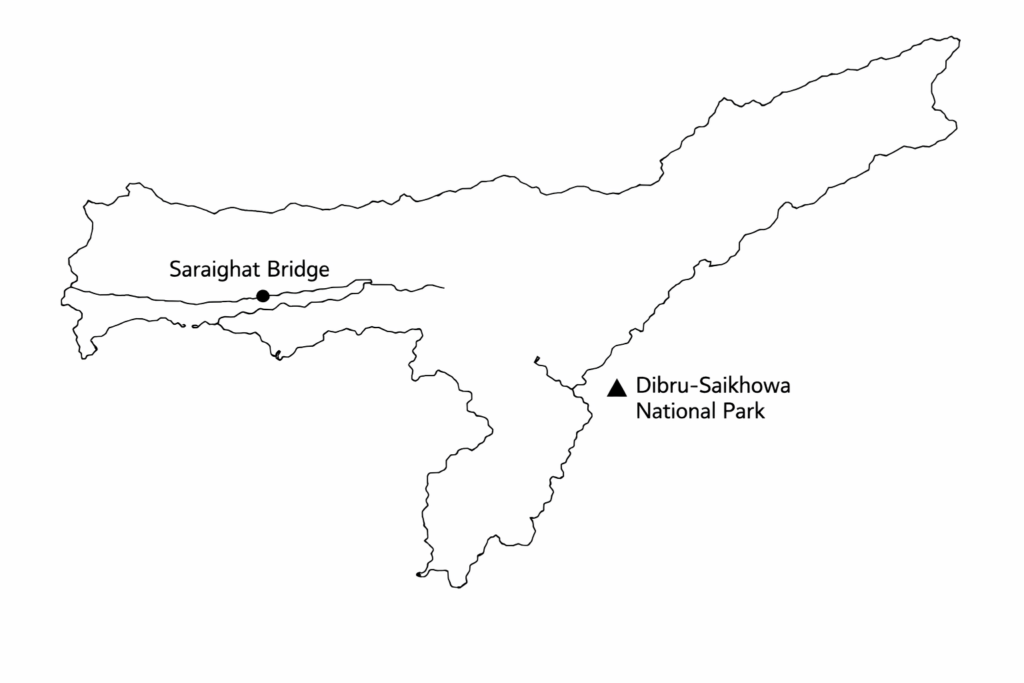
(a) ব্ৰহ্মপুত্ৰৰ উত্তৰপাৰ আৰু দক্ষিণপাৰ সংযোগী এখন দলং
(b) দেওহাঁহ দেখা পোৱা অসমৰ এখন ৰাষ্ট্ৰীয় উদ্যান
(c) অসমৰ এটা তেল শোধনাগাৰ
Draw an outline map of Assam and locate and name any two of the following. (2+2=4)
(a) A bridge connecting the north and south banks of the Brahmaputra
(b) A national park in Assam where the White-winged wood duck is found
(c) An oil refinery in Assam
উত্তৰ / Answer:
মানচিত্ৰত বহুৱাব পৰা স্থান / Locations to be marked on the map:
- (a) দলং / Bridge: শৰাইঘাট দলং (গুৱাহাটী) / Saraighat Bridge (Guwahati) or বগীবিল দলং (ডিব্ৰুগড়) / Bogibeel Bridge (Dibrugarh).
- (b) ৰাষ্ট্ৰীয় উদ্যান / National Park: ডিব্ৰু-ছৈখোৱা ৰাষ্ট্ৰীয় উদ্যান / Dibru-Saikhowa National Park or দিহিং পাটকাই ৰাষ্ট্ৰীয় উদ্যান / Dihing Patkai National Park.
- (c) তেল শোধনাগাৰ / Oil Refinery: ডিগবৈ শোধনাগাৰ / Digboi Refinery or নুনমাটি শোধনাগাৰ / Noonmati Refinery.
56. ৰাষ্ট্ৰসংঘৰ নিৰাপত্তা পৰিষদৰ স্থায়ী সদস্যসকল অস্থায়ী সদস্যসকলৰ পৰা কেনেদৰে পৃথক? (২)
How are the permanent members of the UN Security Council different from the non-permanent members? (2)
উত্তৰ / Answer:
- ভেটো ক্ষমতা (Veto Power): ৫খন স্থায়ী সদস্য ৰাষ্ট্ৰৰ ‘ভেটো’ ক্ষমতা আছে, যাৰ দ্বাৰা তেওঁলোকে যিকোনো প্ৰস্তাৱ নাকচ কৰিব পাৰে। অস্থায়ী সদস্যৰ এই ক্ষমতা নাথাকে। / The 5 permanent members have ‘veto’ power, which allows them to reject any resolution. Non-permanent members do not have this power.
- সদস্যপদৰ ম্যাদ: স্থায়ী সদস্যসকল পৰিষদৰ স্থায়ী অংশ। আনহাতে, অস্থায়ী সদস্যসকলক দুবছৰৰ বাবে নিৰ্বাচিত কৰা হয়। / Permanent members are a permanent part of the council. On the other hand, non-permanent members are elected for a term of two years.
57. (বিৱৰণটো পঢ়ি) ভাৰতৰ দৰে এখন দেশত চৰকাৰে তেনে ধৰণৰ ব্যৱস্থা ল’ব পাৰেনে? তোমাৰ মতামত দাঙি ধৰা। (৩)
(Reading the description) Can the government in a country like India take such a measure? Present your opinion. (3)
উত্তৰ / Answer:
নাই, ভাৰতৰ দৰে এখন দেশত চৰকাৰে এনে ধৰণৰ ব্যৱস্থা ল’ব নোৱাৰে।
No, in a country like India, the government cannot take such a measure.
কাৰণ / Reasons:
- ধৰ্মনিৰপেক্ষতা: ভাৰত এখন ধৰ্মনিৰপেক্ষ ৰাষ্ট্ৰ। চৰকাৰে কোনো ধৰ্মৰ প্ৰতি বৈষম্যমূলক আচৰণ কৰিব নোৱাৰে। / Secularism: India is a secular state. The government cannot discriminate against any religion.
- সমতাৰ অধিকাৰ: সংবিধানৰ অনুচ্ছেদ ১৪ আৰু ১৫ অনুসৰি, চৰকাৰে ধৰ্ম, জাতি, লিংগৰ আধাৰত কোনো নাগৰিকৰ প্ৰতি বৈষম্য কৰিব নোৱাৰে। / Right to Equality: According to Articles 14 and 15 of the Constitution, the government cannot discriminate against any citizen on the basis of religion, caste, or gender.
58. (পৰিস্থিতিটো পঢ়ি) ষ্ট’ৰখনৰ গৰাকীয়ে কিয় চেকখন গ্ৰহণ কৰিব বিচৰা নাই বুলি তুমি ভাবা? সিদিনাখন তোমাৰ বস্তুকেইপদ কিনিবলৈ যিকোনো এটা বিকল্প উপায়ৰ পৰামৰ্শ দিয়া। (১+১=২)
(Reading the situation) Why do you think the store owner is unwilling to accept the cheque? Suggest an alternative way to buy your items that day. (1+1=2)
উত্তৰ / Answer:
চেক গ্ৰহণ নকৰাৰ কাৰণ / Reason for not accepting the cheque:
দোকানীজনে চেকখন ‘বাউন্স’ (bounce) হোৱাৰ আশংকা কৰিব পাৰে, অৰ্থাৎ গ্ৰাহকৰ বেংক একাউণ্টত পৰ্যাপ্ত ধন নথকাৰ সম্ভাৱনা।
The shopkeeper might fear that the cheque could ‘bounce’, meaning the customer’s bank account may not have sufficient funds.
বিকল্প উপায় / Alternative Method:
মই ডিজিটেল পৰিশোধ পদ্ধতি যেনে UPI (Google Pay, PhonePe) বা ডেবিট/ক্ৰেডিট কাৰ্ড ব্যৱহাৰ কৰিব পাৰোঁ।
I could use a digital payment method like UPI (Google Pay, PhonePe) or a Debit/Credit Card.
59. (তালিকাখন চাই) ভাৰত, পাকিস্তান, এংগ’লা আদি দেশৰ তুলনাত জাপান, অষ্ট্ৰেলিয়া, নৰৱে আদি দেশত প্ৰত্যাশিত আয়ুসৰ পৰিমাণ কিয় বেছি বুলি তুমি ভাবা? (২)
(Observing the table) Why do you think the life expectancy is higher in countries like Japan, Australia, and Norway compared to countries like India, Pakistan, and Angola? (2)
উত্তৰ / Answer:
উচ্চ জীৱন-ধাৰণৰ মান: এই দেশবোৰত নাগৰিকসকলৰ আয় বেছি, তেওঁলোকে পুষ্টিকৰ খাদ্য গ্ৰহণ কৰে আৰু এক স্বাস্থ্যকৰ পৰিৱেশত বাস কৰে। / High Standard of Living: In these countries, citizens have higher incomes, consume nutritious food, and live in a healthier environment.
উন্নত স্বাস্থ্য সেৱা: জাপান, অষ্ট্ৰেলিয়া আদি উন্নত দেশত নাগৰিকসকলৰ বাবে উন্নত আৰু সুলভ চিকিৎসা ব্যৱস্থা আছে। / Advanced Healthcare: Developed countries like Japan and Australia have advanced and accessible medical facilities for their citizens.